Floods and Landslides in India and Nepal: Causes and Impact
Recent floods and landslides in India and Nepal have led to significant casualties and widespread damage. Learn about the causes, effects, and response efforts in the region.
Focal Overview
Floods and landslides in India and Nepal have caused at least 56 deaths in India and 12 in Nepal. Heavy rainfall is the primary trigger, with local authorities engaged in rescue and relief operations.
Focal Facts
- At least 56 people have died in India due to recent floods and landslides.
- 12 fatalities reported in Nepal from the same weather events.
- Heavy monsoon rains are primarily responsible for triggering the disasters.
- Rescue operations are underway with national and international support.
- Climate change may be intensifying weather patterns, increasing risk.
Recent floods and landslides in India and Nepal have resulted in significant loss of life and widespread destruction. At least 56 people have died in India and 12 in Nepal due to these natural disasters. The severe weather has disrupted local communities, prompting urgent emergency responses.
What Triggers Floods and Landslides?
Floods and landslides occur when excessive rainfall saturates the ground, often in regions with vulnerable topography. In this recent incident, heavy monsoon rains are the primary culprits. The intense and sustained downpours overwhelmed rivers and saturated soils, causing them to slip and slide.
India and Nepal frequently experience such natural calamities during the monsoon season, which typically lasts from June to September. The hilly and mountainous landscapes, particularly in the Himalayan regions, are susceptible to landslides. Deforestation and unplanned construction further exacerbate these risks by weakening the soil stability and increasing run-off rates.
How Are India and Nepal Affected?
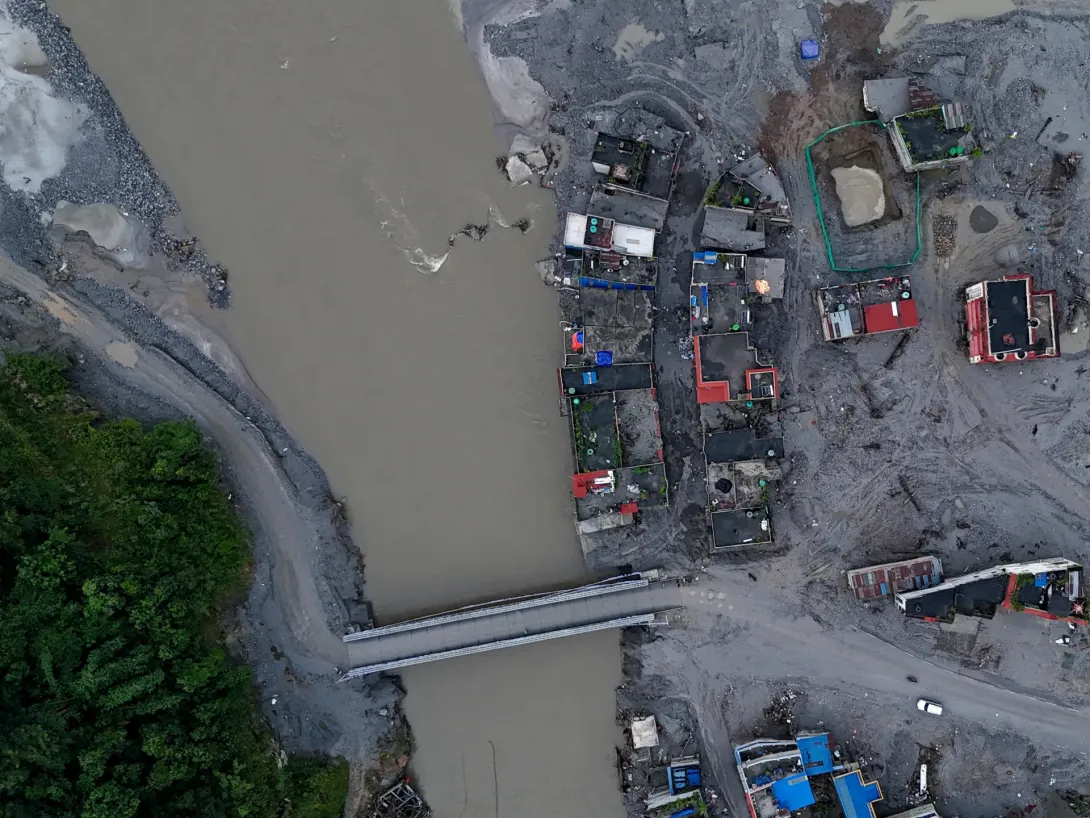
The recent heavy rains have flooded numerous villages and towns, displacing thousands of people. Infrastructure such as roads, bridges, and homes have been damaged or destroyed, complicating rescue efforts.
In India, the states of Himachal Pradesh and Uttarakhand are among the hardest hit. Bridges have collapsed, roads are blocked by debris, and entire communities have been isolated. Similarly, in Nepal, several districts have faced devastating impacts, with homes swept away and livelihoods disrupted.
What Are the Response Efforts?
In response to the disaster, India and Nepal have mobilized disaster management teams, including the National Disaster Response Force (NDRF) in India and similar units in Nepal. These teams are engaged in search and rescue operations, providing medical aid, and distributing relief materials to affected communities.
Helicopters and boats are being used to reach people in inaccessible areas. Temporary shelters are being set up, and food, water, and medical supplies are being distributed to those in need. International aid agencies may also play a role, providing expertise and additional resources.
Could Climate Change Be a Factor?
While monsoon rains are a natural and expected phenomenon in South Asia, climate change potentially amplifies the frequency and intensity of such events. Warmer temperatures can lead to more intense rainfall, raising the likelihood of severe flooding and landslides. As climate patterns continue to shift, the region may experience more extreme weather, highlighting the urgent need for improved infrastructure and disaster preparedness.
Improving early warning systems and implementing better land management practices are crucial to safeguarding vulnerable communities. Efforts to strengthen community resilience through education and adaptation strategies are equally important to mitigate future risks.
Focal Timeline
- September 2026Heavy rainfall begins in India and Nepal
- Late September 2026Major floods and landslides occur
- Late September 2026At least 56 deaths reported in India
- Late September 2026At least 12 deaths reported in Nepal