French Protests Against Controversial Police Bill
Examining the motivations and implications of widespread protests in France against a controversial police bill.
The Argument
The widespread protests against France's new police bill reflect deep-rooted concerns about civil liberties and increasing state surveillance, highlighting a critical tension between security and freedom.
Evidence Base
- The French government proposed a new security bill aimed at expanding police powers and increasing surveillance capabilities.
- Protesters argue the bill threatens civil liberties, particularly the right to privacy and freedom of the press.
- The bill includes provisions that restrict the filming of police officers, which critics believe could limit police accountability.
- France has a history of large-scale protests, with civil society frequently mobilizing against perceived threats to democratic freedoms.
- The legislation has undergone revisions due to public opposition, but core issues remain contentious.
- French President Emmanuel Macron supports the bill, emphasizing security concerns amidst threats of terrorism.
Context
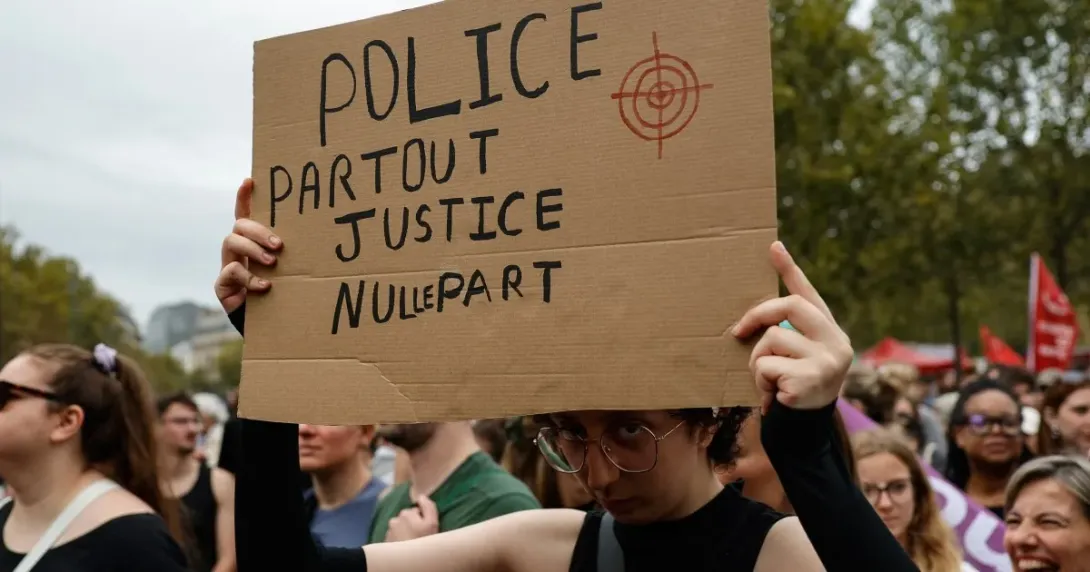
The protests are against a proposed French security bill, which includes measures seen as expanding police powers and surveillance at the expense of civil liberties.
Focal Analysis
The protests in France against the proposed police bill have sparked a significant outcry, illuminating a deep-seated tension within the country's approach to security and civil liberties. The bill's intention is to enhance public safety by granting police expanded powers and increasing surveillance capabilities, provisions the government argues are necessary in light of recent terrorist threats. However, these measures have met with substantial opposition from a broad coalition of civil society groups, journalists, and ordinary citizens concerned about the erosion of democratic freedoms.
The controversy centers particularly around provisions that may limit the filming of police officers, threatening freedom of the press and accountability. Critics argue this could criminalize those documenting police misconduct, thereby shielding abuses from public scrutiny. Proponents contend that restricting such recording is vital for protecting officers from harassment and maintaining operational integrity.
The historical context of France's robust protest culture cannot be ignored in this analysis. France has a long tradition of street protests as a means of expressing dissent, with citizens often willing to mobilize against perceived threats to civil liberties. This cultural aspect lends considerable weight to the protests, suggesting they reflect more than just isolated dissatisfaction but tap into deeper democratic values.
Though the government has indicated willingness to revise parts of the bill, key contentious elements remain, invigorating public protests. This situation speaks volumes about underlying political dynamics, where the balance between ensuring national security and preserving individual freedoms remains a fierce battleground.
In a broader context, these events are reflective of similar global debates, where governments face the challenge of responding to genuine security threats without overstepping boundaries that infringe on personal freedoms. The outcome in France could set significant precedents for how such tensions are navigated in other liberal democracies, underscoring the global relevance of these protests.
Room for Disagreement
Supporters of the bill argue that stronger police powers and surveillance are necessary to combat terrorism and maintain public safety, pointing to recent attacks as justification.
Why It Matters
The protests signal serious dissent against increasing state surveillance, potentially reshaping France's political landscape and influencing similar debates in other democratic nations.
What's Next
Continued public demonstrations and legal challenges may pressure lawmakers to amend or repeal contentious sections of the bill. Ongoing dialogue between the government and civil society groups is crucial.