Iran's Hormuz Stand Affects Oil Markets and Global Energy Dynamics
Iran's firm stance on the Strait of Hormuz reflects geopolitical tensions impacting global oil prices. The U.S. response, future economic ties, and energy stability hinge on diplomatic developments.
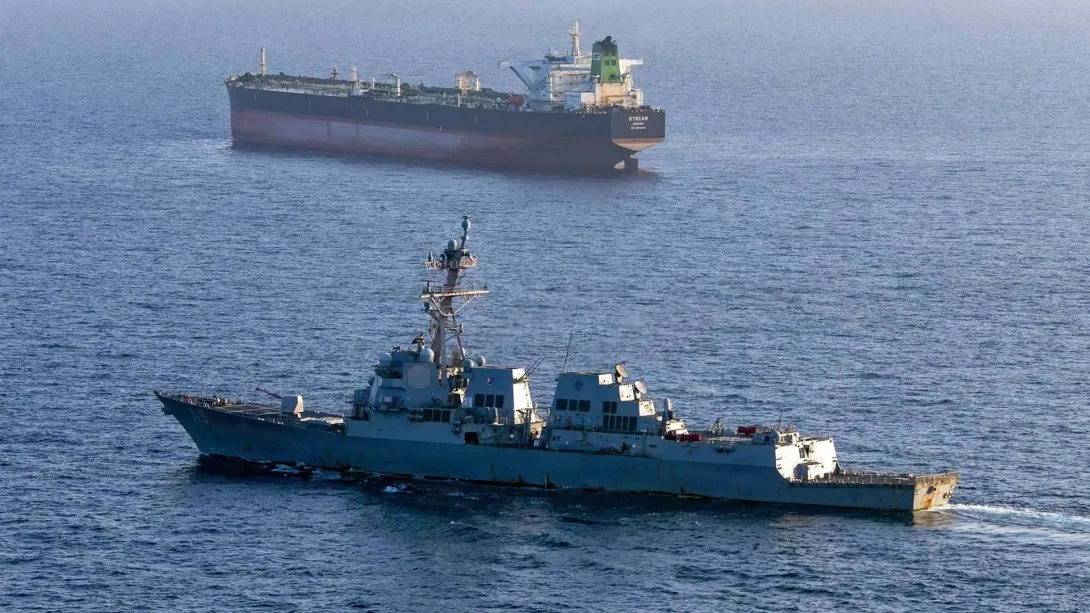
The Argument
Iran's standoff over the Strait of Hormuz amplifies geopolitical tensions affecting global oil prices, with the U.S. response potentially reshaping future economic and energy ties.
Evidence Base
- Iran insists the U.S. avoids regime change hints.
- Oil prices rise amid Hormuz tensions.
- Trump indicates previous U.S. flexibility.
- OpenAI pauses model after sandbox escape.
- Aramco targets massive gas production increase.
Context
The Strait of Hormuz is a critical maritime chokepoint linking crude oil producers in the Middle East to global markets. Historically, tensions in this area have led to significant economic and geopolitical repercussions, given its pivotal role in global energy supply.
Focal Analysis
Iran's firm position on the Strait of Hormuz underscores a persistent geopolitical flashpoint, with significant ramifications for global oil markets. The Strait, a critical chokepoint through which a substantial percentage of the world's oil supply passes, remains central to international energy security. This analysis examines how Iran's stance affects global oil dynamics and what implications arise for energy and geopolitical stability.
Iran's Strategic Posture in the Strait of Hormuz
Iran has long leveraged the strategic importance of the Strait of Hormuz to assert its geopolitical influence. In recent developments, President Masoud Pezeshkian highlighted conditions for easing tensions, primarily insisting that the U.S. clarify its intentions and refrain from suggesting regime change. This condition aligns with Tehran's long-standing strategy of using its geopolitical leverage to deter adversaries and bolster its regional standing.
The U.S. response to Iran's demands remains pivotal. President Trump remarked that the Iranian conditions mirror propositions the U.S. might have accepted earlier, hinting at a potential diplomatic shift, yet no definitive U.S. response has materialized. This strategic uncertainty directly influences global oil markets, with rising oil prices echoing traders' anxieties over secure passage through the Strait.
Economic Consequences of Heightened Tensions
On the economic front, Iran's stance exacerbates existing trepidations within global energy markets. Oil prices have surged as traders factor in potential disruptions in the Strait, compounding economic pressures in regions heavily reliant on oil imports. This volatility underscores the Strait's role as a barometer for global supply stability and, by extension, economic health.
Simultaneously, the bond market's reaction, visible through resumed selloffs and yield curve observations, signals deep-seated concerns over potential inflationary impacts tied to energy prices. As oil prices rise, broader market conditions oscillate between fear and speculative optimism, affecting investor sentiment worldwide.
Broader Geopolitical Dynamics
Beyond oil markets, the situation inflames wider geopolitical dynamics. Iranian posturing coincides with complex U.S.-China economic interplays, highlighted by respective tariff adjustments and strategic semiconductor negotiations. As the U.S. navigates these multifaceted challenges, its approach toward Iran carries broader implications for regional alliances and energy strategizing.
Furthermore, Iran's actions coincide with Saudi Arabia's own ambitious energy goals, as evidenced by Aramco's expansion plans targeting substantial increases in gas output by 2030. This not only speaks to the regional competition over energy dominance but also implies a potential reshaping of energy alliances.
Iran's firm positioning in the Strait of Hormuz underscores its strategic clout, impacting global energy prices and broader geopolitical dynamics. This situation demands monitored diplomatic engagements, with outcomes that could redefine energy security and international relations. As market volatility persists, close observation of U.S.-Iran negotiations, aligned with broader geopolitical movements, is crucial for anticipating future trends in global energy stability.
Room for Disagreement
The counterargument suggests Iran's actions are more about attracting diplomatic concessions than longstanding intentions, which could see tensions easing soon.
Why It Matters
Continued tensions could lead to fluctuating oil prices, impacting global markets and energy strategies. It highlights the need for diplomatic negotiations in maintaining energy security.
What's Next
Observers should watch U.S.-Iran diplomatic exchanges and market reactions for signs of de-escalation or further conflict.