Ireland's McEntee Discusses US Relations and China Strategy
Ireland's Foreign Minister McEntee highlights the significance of US relations amid evolving EU-China dynamics.
The Argument
Despite growing complexity in global politics, Ireland's Foreign Minister, Helen McEntee, emphasizes the enduring importance of EU-US relations while acknowledging challenges posed by China.
Evidence Base
- Helen McEntee is Ireland's Foreign Minister.
- The EU regards the US as a vital trading partner.
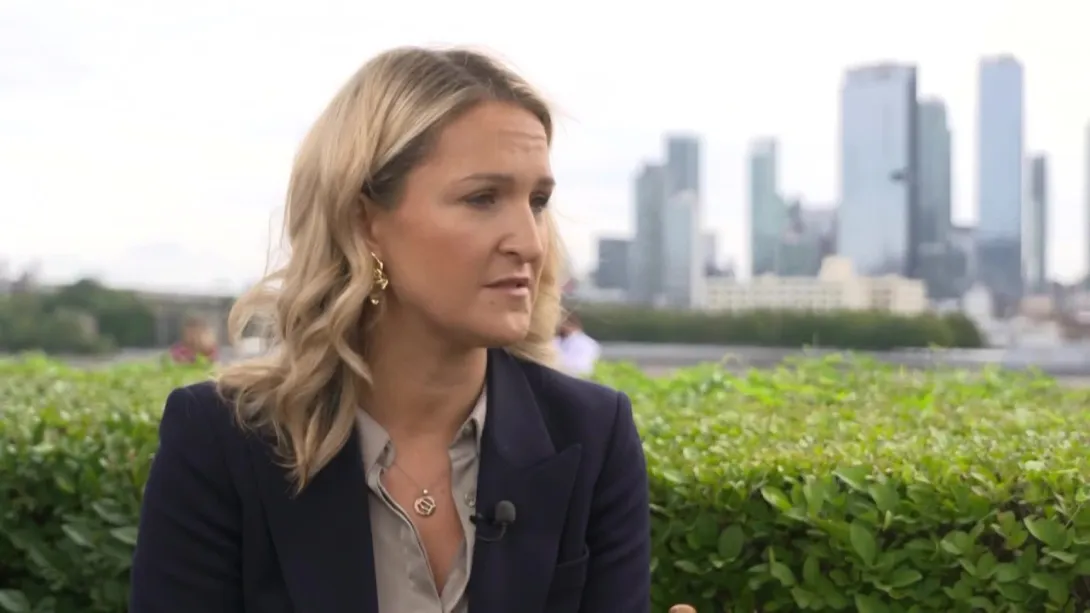
- McEntee discussed EU-US relations in a Bloomberg interview.
- Tariff discussions are central to EU-US economic interactions.
- China is a significant factor in EU geopolitical considerations.
Context
The interview with Ireland's Foreign Minister Helen McEntee provides insights into the country's foreign policy priorities, particularly concerning the US and China.
Focal Analysis
In an evolving geopolitical landscape, Ireland continues to regard its relationship with the United States as a cornerstone of its foreign policy framework. In a recent discussion with Bloomberg's Tyler Kendall, Ireland's Foreign Minister, Helen McEntee, reaffirmed the United States' critical role as one of the European Union's most significant trading partners. This stance underscores a broader consensus within the EU, which views the transatlantic alliance as vital, especially amidst global uncertainties driven by the rise of China.
The historical and economic ties between the EU and the US are substantial. The transatlantic trade relationship is instrumental in underpinning the economies on both sides. For Ireland, maintaining robust economic and diplomatic relations with the US remains a priority, recognizing the mutual benefits derived from such partnerships. The recent imposition and negotiation of tariffs have highlighted tensions but also the necessity of maintaining open dialogue.
McEntee emphasized that the economic interactions between the two are not merely transactional but part of a strategic alliance that supports millions of jobs and fosters innovation. Despite past frictions over trade tariffs, the EU continues to push for cooperative frameworks that can enhance economic growth and political stability.
While reaffirming the strength of US ties, McEntee also acknowledged the complications presented by China. The EU's relationship with China is multifaceted—ranging from collaboration to contention, particularly regarding trade practices and geopolitical influence. She indicated that Ireland and the broader EU must balance their trade integration efforts with China against concerns over market fairness and intellectual property rights.
The strategic pivot towards Asia necessitates a nuanced approach, wherein Europe must navigate its economic interests while safeguarding political autonomy and security concerns.
Tariffs remain a contentious issue in international trade. While the US and EU both seek advantageous trade terms, the negotiations can strain the partnership. McEntee noted the need for a balanced approach that protects national interests without undermining the broader alliance. This necessitates ongoing dialogues to recalibrate tariffs and agreements in ways that reflect contemporary economic challenges and opportunities.
Critics propose that the EU should diversify its global trade engagement, reducing reliance on the US economy, especially given its unpredictable policy shifts. There is a valid argument that a broad-based trade strategy may insulate the EU from volatility and allow for growth in other markets. However, this diversification cannot happen abruptly without risk to existing economic frameworks and partnerships.
Ireland's stance, as articulated by McEntee, reveals a pragmatic approach to international relations, emphasizing enduring partnerships while being cognizant of geopolitical shifts. The emphasis on maintaining strong ties with the US is underpinned by historical precedence and economic rationale. Yet, the complexities posed by China warrant careful consideration and strategic planning.
The prospect of future trade negotiations should be watched closely, as they will determine not only Ireland's but also the EU's ability to maneuver through an increasingly intricate global landscape.
Room for Disagreement
Some argue that the EU should focus more on diversifying its trade partners to reduce over-reliance on the US, especially given potential volatility in US domestic and foreign policies.
Why It Matters
Ireland's focus on the US as a key trading partner implies continued strong transatlantic economic ties, despite global geopolitical shifts.
What's Next
Monitor potential policy shifts during EU-US trade negotiations and European responses to Chinese economic actions.