UN Labels US Boat Strikes as Possible Crimes Against Humanity
The classification of US boat strikes as potential crimes against humanity by the UN raises significant legal and humanitarian concerns.
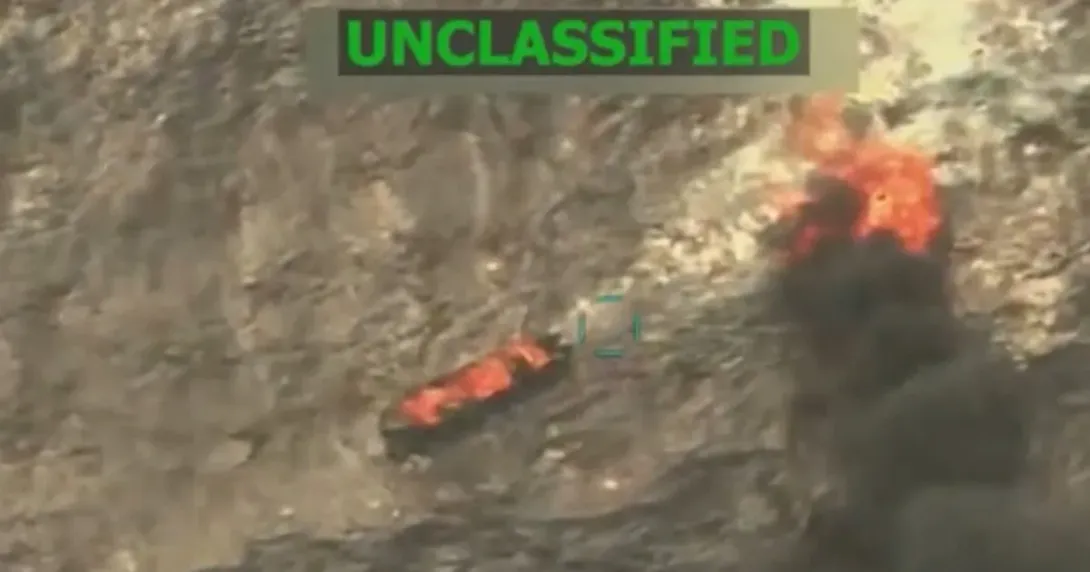
The Argument
The United Nations' characterization of US boat strikes as potential crimes against humanity underscores the ongoing conflict between military necessity and human rights obligations.
Evidence Base
- The UN suggests some US boat strikes may constitute crimes against humanity.
- Human rights violations in military operations are under scrutiny.
- Naval strikes have been controversial due to civilian casualties.
- International law provides frameworks for evaluating such actions.
Context
This analysis emerges from Al Jazeera's report stating the United Nations' concerns about US military operations. Allegations focus on the legality and morality of naval strategies that result in civilian harm.
Focal Analysis
The United Nations' allegations regarding US boat strikes being potential crimes against humanity highlight a critical tension at the intersection of international law and wartime conduct. Such severe charges infamously associate military actions in conflict zones with gross human rights violations, which could catalyze significant legal and diplomatic fallout for the United States.
Room for Disagreement
The US government could argue that these strikes are necessary for national and global security and that they comply with international law.
Why It Matters
If classified as crimes against humanity, the US would face severe legal and diplomatic repercussions.
What's Next
The international community will likely call for deeper investigations and accountability measures.