Trump Prioritizes Personal Agenda in International Diplomacy
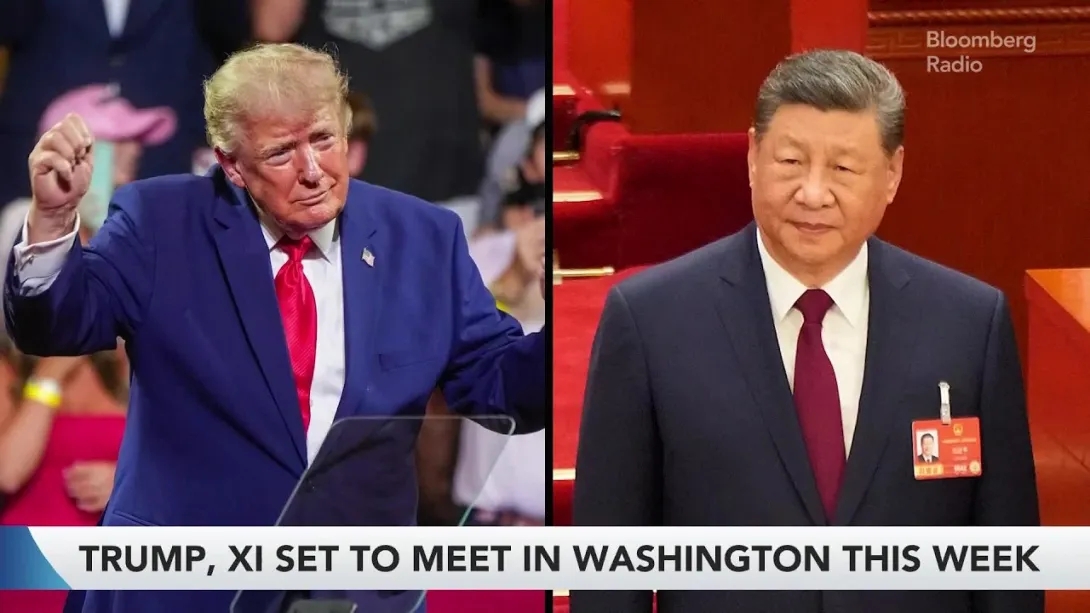
Analyzing President Trump's unique approach to international relations, focusing on his upcoming summit with Chinese President Xi Jinping.
The Argument
President Donald Trump’s international diplomacy is driven by self-interest, as demonstrated by his approach to the US-China relations ahead of President Xi Jinping's visit.
Evidence Base
- President Donald Trump has a history of prioritizing American interests in international dealings.
- China and the US have engaged in positive talks ahead of Xi Jinping's visit concerning AI, trade, and investment.
- Dan Tannebaum of Oliver Wyman claims Trump is focused on his personal agenda rather than traditional geopolitical alliances.
- US-China relations are at a critical juncture with stabilizing relations being an apparent agenda point.
Context
In the context of evolving US-China relations, President Trump's diplomatic strategy prior to Xi Jinping's US visit exemplifies a significant shift. Traditionally, the US has favored stable alliances; however, Trump's approach focuses on immediate, transactional achievements that diverge from conventional norms.
Focal Analysis
President Donald Trump’s diplomatic strategies have consistently prioritized self-interest, often diverging from conventional US foreign policy norms. This individualistic approach is evident in the lead-up to Chinese President Xi Jinping's visit to Washington, which highlights a crucial juncture in US-China relations. With topics such as artificial intelligence, trade, and investment on the table, both nations have signaled a tentative thaw in tensions.
Dan Tannebaum, a Partner and Global Anti-Financial Crime Practice Leader at Oliver Wyman, has remarked that Trump is not aligned with any side except his own. This observation reflects a broader pattern where Trump's focus is on immediate, transactional benefits rather than enduring alliances or multilateral cooperation. As such, his actions seem to assume a unique pattern aimed more at bolstering personal and national interests than at building lasting diplomatic partnerships.
Historically, Trump's policies have been characterized by a withdrawal from traditional international agreements and a preference for bilateral dealings over multilateral frameworks. This stance aligns with his 'America First' policy, emphasizing direct gains rather than collaborative outcomes. Trump's summit with Xi Jinping could serve as a platform for either mitigating ongoing trade tensions or exacerbating them, depending on whether mutual understanding is achieved or not.
The recent pre-meeting discussions suggest a shared interest in stabilizing US-China relations. Progress in areas like AI reflects a mutual need to manage technological advancements carefully and competitively. Trade terms remain a contentious and vital issue, given the economic interdependence between the two countries.
However, this inclination towards self-focused diplomacy may lead to unpredictable policy shifts. Trump’s transactional style might engender short-term gains but risks long-term instability in international relations. His unpredictability undermines the traditional diplomatic approach rooted in stable alliances and cooperative strategies.
Room for Disagreement
Critics argue that Trump's approach is not purely self-centered but strategically aims to redefine traditional alliances in favor of practical gains for the U.S.
Why It Matters
If Trump maintains this approach, US foreign policy may become more unpredictable, impacting global geopolitical stability.
What's Next
Watch for any shift in US-China relations post-summit, which could indicate a strategic change in Trump's approach.