ISIL-linked Detainees Report Abuse at Roj Camp
Detainees at Roj camp report abuse from guards, amid efforts to control ISIL-linked individuals.
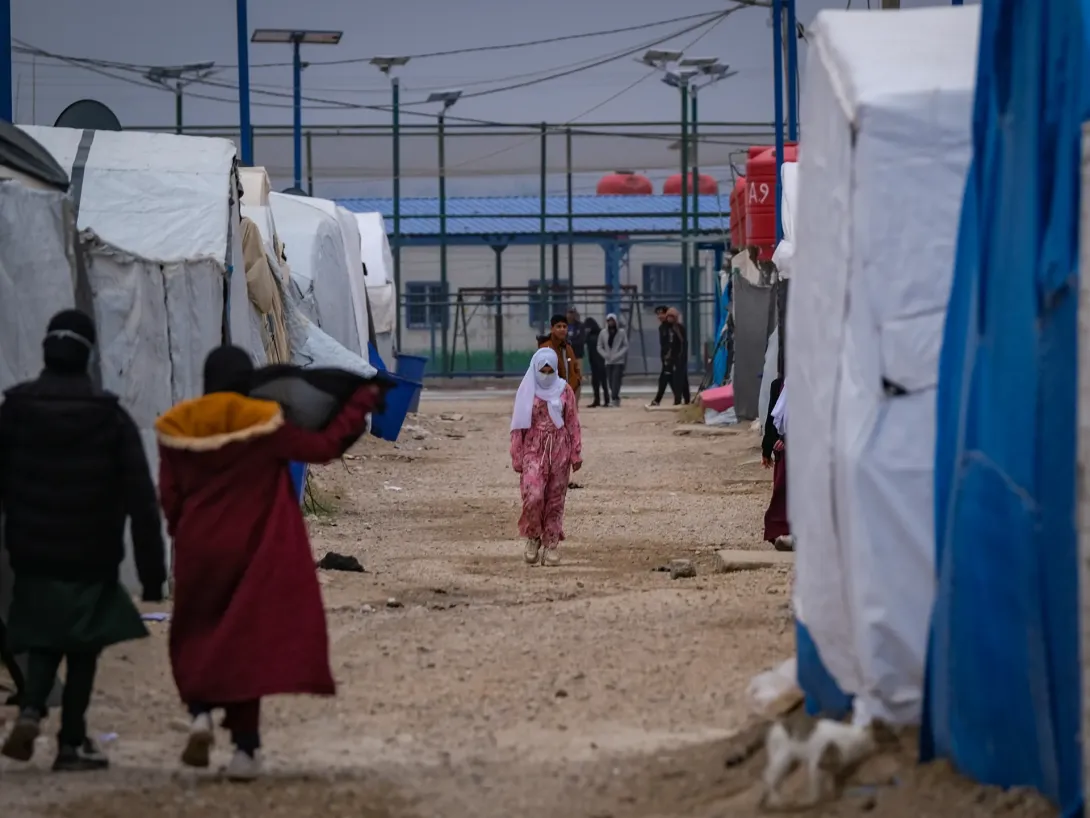
Reports of night raids, extortion, and violence have emerged from Roj camp in Syria, where ISIL-linked detainees, including women and children, are held.
Roj camp's management by Kurdish authorities raises complex security and humanitarian issues.
The reported abuses at Roj camp highlight ongoing humanitarian concerns and the challenges of managing ISIL-linked detainees in Syria.
Reports of night raids, extortion, and violence have emerged from Roj camp in Syria, where ISIL-linked detainees, including women and children, are held. Al Jazeera reports that detainees describe frequent raids by guards, along with demands for bribes in exchange for basic services. Ali, a current detainee, detailed instances of violence, alleging that the camp's guards engage in these activities regularly.
The camp, located in northeastern Syria and managed by local Kurdish authorities, houses primarily women and children linked to the Islamic State of Iraq and the Levant (ISIL). The conditions and treatment of detainees at Roj have drawn significant international attention, particularly regarding human rights concerns and the well-being of the incarcerated individuals.
These allegations of abuse have increased scrutiny on how Kurdish forces, who are responsible for managing the camp, handle the complex security and humanitarian issues associated with ISIL detainees.
As the international community continues to monitor the situation, the key question remains: what steps will be taken to ensure the protection of human rights within these detention facilities? This inquiry is crucial not only for the welfare of the detainees but also for the broader implications on security and regional stability.
The extent of abuses and number of guards involved remains unclear.