Key Issues to Watch at the 78th UNGA Session
Amid global tensions, world leaders gather at the United Nations General Assembly to address pressing international issues.
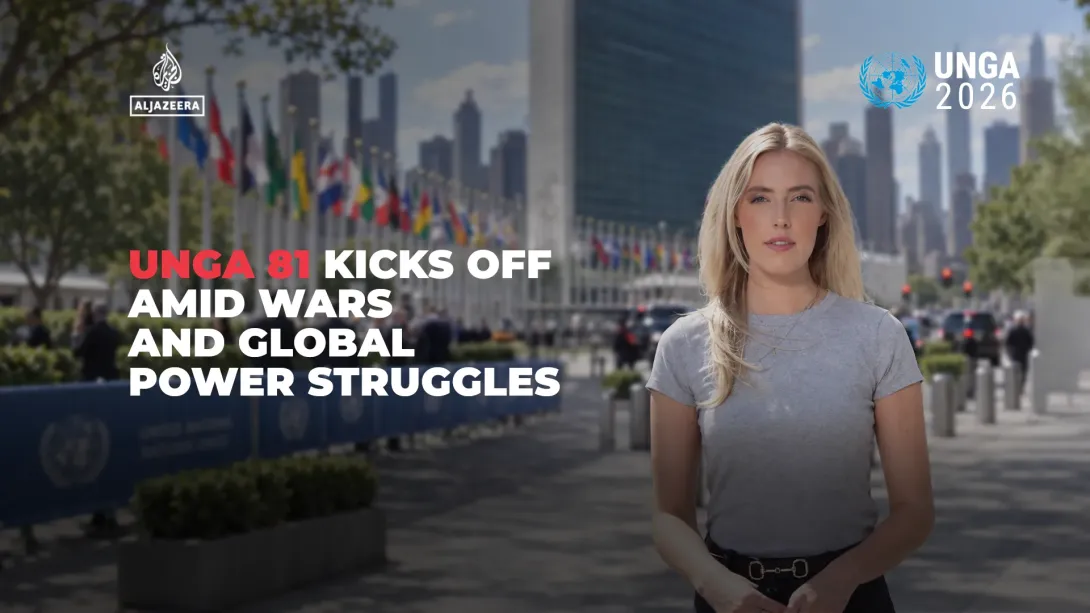
The 78th session of the United Nations General Assembly (UNGA) is underway in New York, where global leaders are set to address significant issues such as climate change, the ongoing Ukraine conflict, and economic recovery efforts.
The UNGA is a central international forum where world leaders discuss and address global issues, highlighting the interconnectedness of countries and the importance of international cooperation.
The UNGA serves as a pivotal platform where nations negotiate and collaborate on critical global challenges, shaping future international policies.
The 78th session of the United Nations General Assembly (UNGA) is underway in New York, marking a crucial moment for global diplomacy as leaders from 193 member states convene to tackle pressing international issues. As the world reels from both natural and man-made crises, discussions are expected to focus on climate change, the continuing conflict in Ukraine, and the global economic recovery following the COVID-19 pandemic.
The agenda includes addressing the widening gap between developed and developing nations. Emerging economies are seeking more significant roles in global financial reforms, aiming to reshape the structures that have traditionally favored established powers.
Another key focus is the escalating geopolitical tensions, particularly between the United States and China, which continue to dominate discussions. This year’s assembly provides a platform for dialogue that could potentially ease tensions or highlight divisions.
In addition, the UNGA is poised to amplify voices from the Global South, which are increasingly demanding equitable solutions to global challenges.
What to watch next: How will negotiations and dialogues among the world's leaders evolve, and what agreements or collaborations might emerge from the assembly? The outcome could significantly influence global policy directions.
Future collaborations and agreements among member states remain uncertain.