Malaysia Repatriates Rohingya Amid Concerns
Malaysia has started repatriating Myanmar nationals, including Rohingya refugees, despite warnings from human rights groups about their safety.
The Lead
Malaysia has started repatriating Myanmar nationals, including Rohingya refugees, despite safety concerns highlighted by human rights organizations.
Article Body
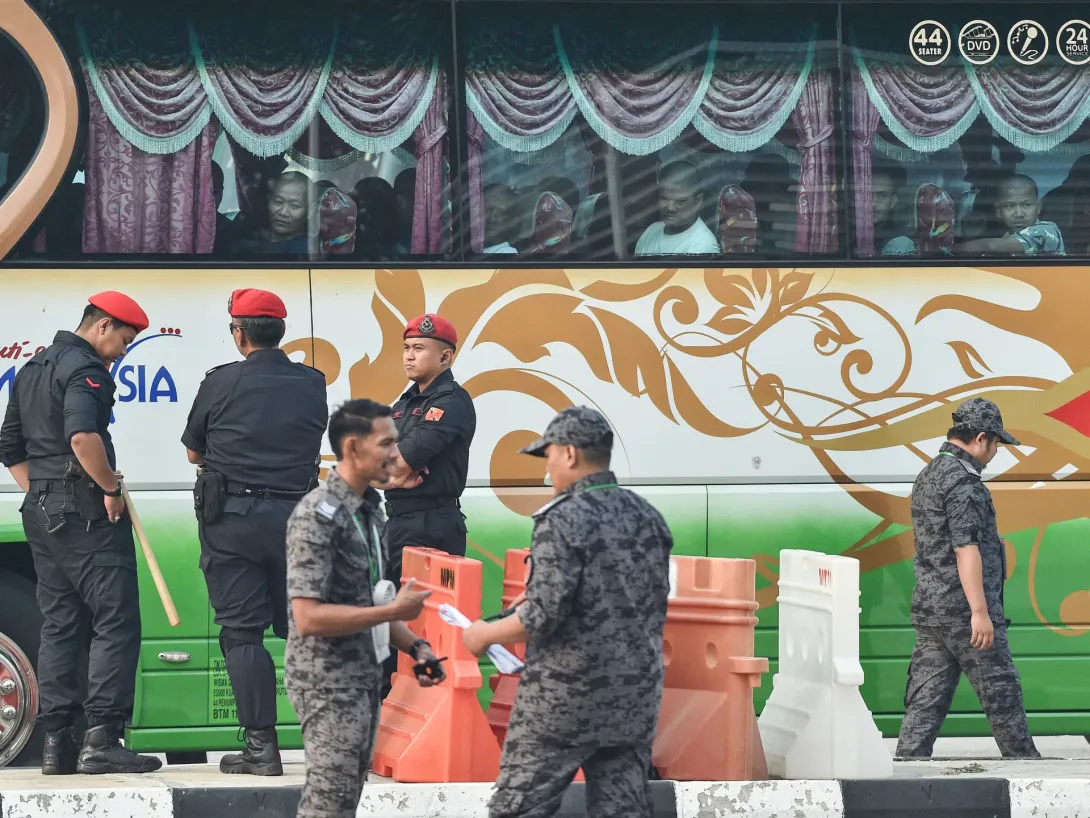
Malaysia has initiated the process of repatriating Myanmar nationals, among them Rohingya refugees, which has drawn significant criticism from international human rights organizations. These groups argue that the returnees face severe risks in Myanmar, a country currently facing political instability and ethnic violence.
The Malaysian government asserts that the move is part of a broader strategy aimed at managing immigration more effectively. They emphasize the need to address what they term "illegal" immigration and ensure national security. However, the safety of the Rohingya, who have historically faced persecution in Myanmar, remains a contentious issue.
Human rights organizations, including Amnesty International, have urged Malaysia to halt these deportations. They point out the ongoing humanitarian crisis in Myanmar, particularly targeting ethnic minorities like the Rohingya. The UN and other international bodies have also raised concerns, highlighting the refugees' potential exposure to persecution and violence upon return.
Ongoing Concerns
The main concern for rights groups is the potential violation of international laws that prohibit the return of individuals to countries where they may face danger. Despite this, Malaysia appears steadfast in its decision, intertwining the repatriation policy with broader immigration control efforts.
The situation remains fluid, and the next steps will depend on diplomatic negotiations and international pressure. Observers are closely watching to see how Malaysia balances its immigration policies with international human rights obligations, and whether alternative solutions might emerge to protect vulnerable populations like the Rohingya.