Trump-GCC Summit in New York: What Does Each Side Want?
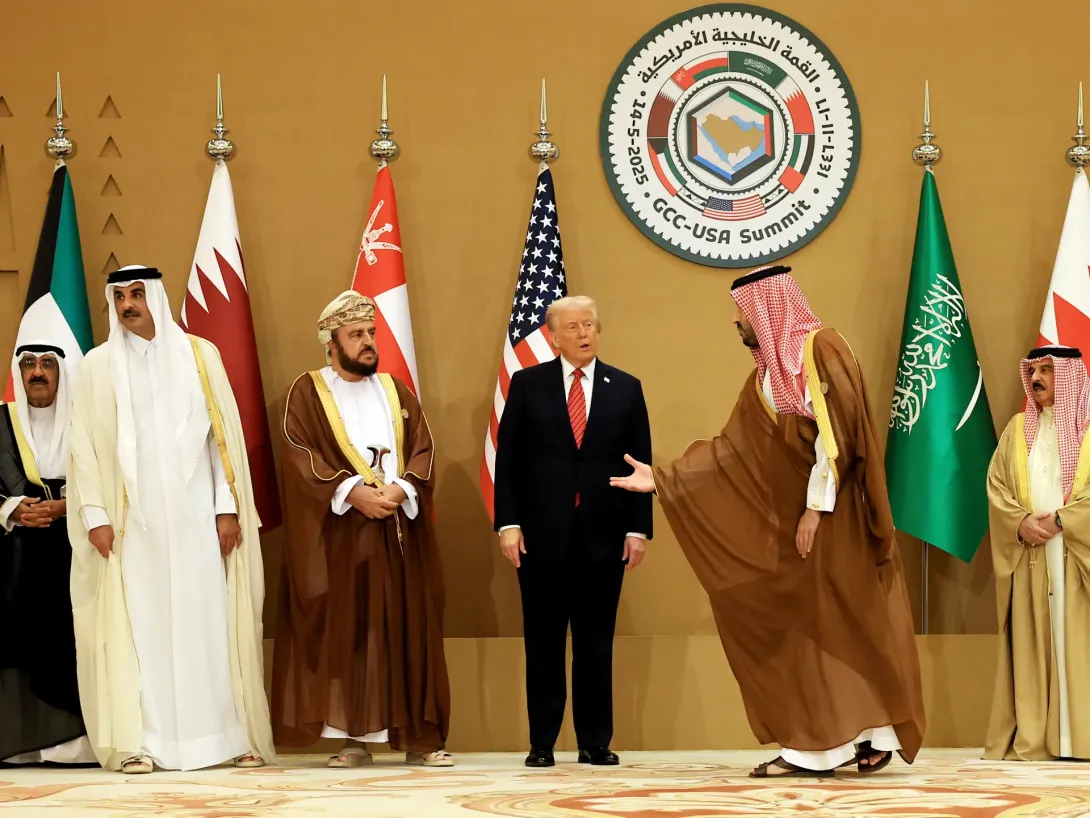
As Donald Trump meets with Gulf Cooperation Council (GCC) leaders in New York, both sides have distinct agendas shaped by geopolitical and economic interests.
The Argument
The Trump-GCC summit in New York is an opportunity for both parties to consolidate their strategic alliances, focusing on regional security and energy security.
Evidence Base
- The summit between the U.S. and GCC leaders focuses on mutual interests and regional stability.
- The GCC nations are seeking stronger security guarantees from the U.S.
- The U.S. aims to ensure stable energy supplies and address regional security issues.
- There is a historical alliance between the U.S. and GCC based on energy and security.
- Tensions exist due to differing views on Iran and human rights issues.
Context
The Trump-GCC summit occurs amid escalating regional tensions, notably involving Iran's nuclear activities and the complex geopolitics in Syria and Yemen. The GCC, comprising Saudi Arabia, UAE, Qatar, Kuwait, Oman, and Bahrain, represents a powerful bloc with significant energy resources and geopolitical interests aligned with U.S. regional strategies.
Focal Analysis
The Trump-GCC summit represents a significant political moment, as both sides aim to fortify their longstanding partnership, emphasizing mutual benefits in security and energy sectors. For the GCC, strong security assurances from the U.S. are crucial amid regional tensions, particularly involving Iran. Cooperation with the U.S. bolsters their regional influence and deters potential threats.
The U.S., under Trump's leadership, seeks to ensure reliable energy supplies and maintain stability in the Middle East, a region critical to global oil markets. Trump's "America First" strategy involves reducing reliance on external energy sources while securing friendly pathways for necessary imports. By reaffirming alliances with the GCC, the U.S. aims to sustain its influence over regional dynamics, counter extremist threats, and manage emerging power contests, such as those posed by Russia and China.
Economic ties, particularly in energy, underpin the U.S.-GCC relations. The leaders are likely to discuss investment opportunities, the stability of oil markets, and cooperative ventures that could spur economic growth. This discussion is pivotal as both entities face economic transformations: the GCC with its Vision 2030 initiatives aimed at economic diversification, and the U.S. with its shifting energy landscape.
Room for Disagreement
Some critics argue that the focus on strategic alliances may overlook critical issues such as human rights and offer tacit support for GCC policies that contravene international norms.
Why It Matters
Decisions made at the summit could influence Middle Eastern stability and global energy markets.
What's Next
The outcomes of this summit might set the stage for further negotiations affecting not only U.S.-GCC relations but also broader Middle Eastern geopolitical dynamics.