Trump’s '300% Inflation' Claim for Iran Exaggerated, IMF Estimates Around 69%
Former President Donald Trump's claim that Iran is suffering 300% inflation is gaining attention amid the ongoing U.S.–Iran conflict, but independent data suggests the figure is significantly exaggerated.
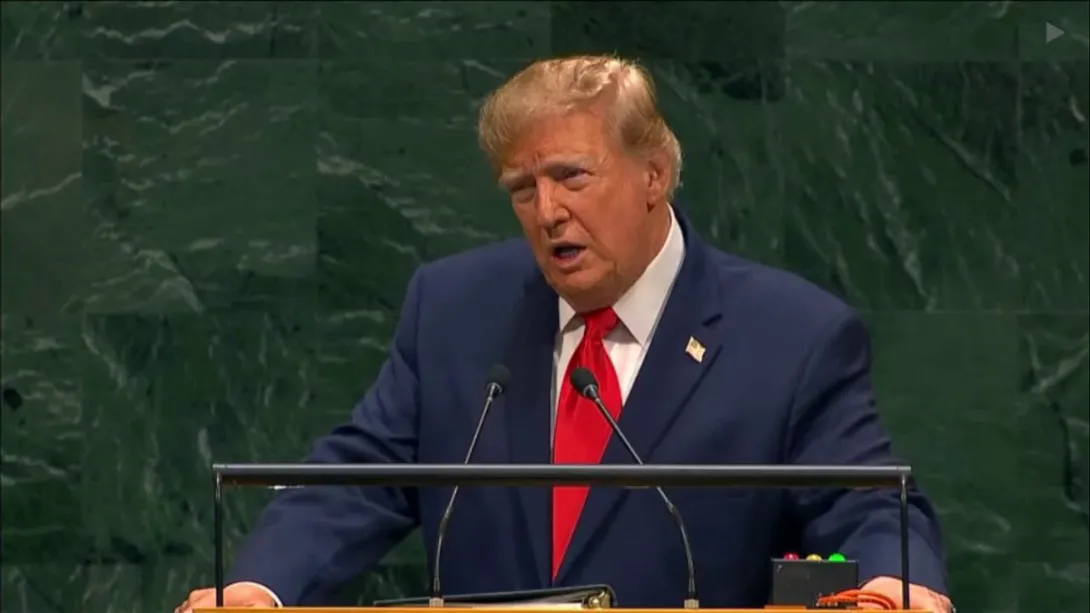
Claiming that Iran’s “300% inflation is destroying” the country, President Trump has used this narrative to underscore his “maximum pressure” strategy. While Iran is indeed facing serious economic turmoil, authoritative estimates put inflation at under 70%, suggesting significant exaggeration in the president’s rhetoric.
Within the broader security and defense discourse, Donald Trump has leveraged the narrative of Iran’s economic demise to bolster support for continued confrontation, using inflated figures to amplify the perceived effectiveness of his policy.
The overstatement of Iran’s economic collapse risks skewing public understanding and may influence aggressive policy decisions in the ongoing conflict; accurate data is essential to informed debate.
Former President Trump has asserted repeatedly — in interviews and statements — that Iran is enduring “300% inflation,” describing the economy as collapsing and unsustainable under U.S. pressure, with claims ranging from frozen assets to deserting soldiers [3]. These remarks have formed a central part of his argument for maintaining maximum economic pressure on Tehran.
However, independent estimates paint a less dramatic picture. The International Monetary Fund estimated inflation in Iran for 2026 at roughly 68.9%, the highest since 1979 — a serious economic crisis by any measure, but far below Trump’s 300% figure [4]. Additional data on surging food prices and currency collapse provide sobering evidence of socioeconomic distress, though not at the hyperbolic scale suggested by Trump’s statements.
These discrepancies underscore the importance of relying on credible, internationally verified data when evaluating the economic dimensions of the Iran conflict. While the country is undoubtedly under immense strain — with sharp rises in cost of living and rapid depreciation of the rial — the 300% inflation claim appears substantially overstated.
What to watch: Whether this inflation framing will continue to drive U.S. policy and public justification for the prolonged conflict, and how emerging economic data from Iran might affect diplomatic dynamics moving forward.
Key unknowns include whether official Iranian data diverges from IMF estimates and how this rhetoric will influence U.S.–Iran negotiations and domestic opinion.