Netanyahu’s Underground Tour at Al‑Aqsa Signals Political Play and Provocation
Israeli Prime Minister Benjamin Netanyahu and his wife Sara toured tunnels beneath the Al‑Aqsa Mosque compound on September 20, 2026, just ahead of Yom Kippur, a move that stirred political symbolism and regional controversy.
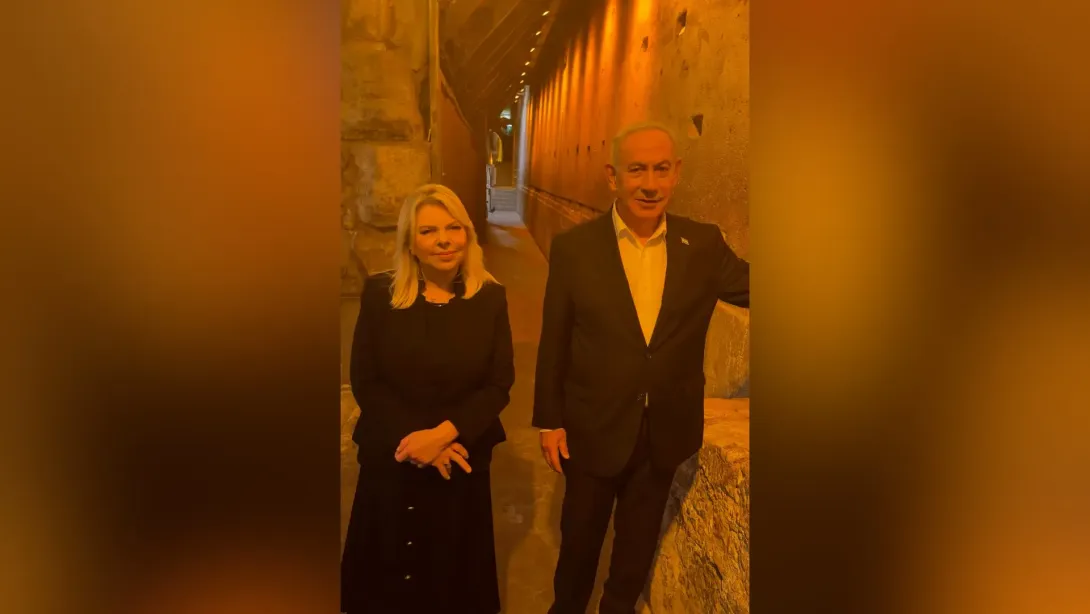
Israeli Prime Minister Benjamin Netanyahu’s tour of tunnels beneath the Al‑Aqsa Mosque compound on September 20, 2026—in the run‑up to Yom Kippur—was accompanied by video footage of him and his wife professing a spiritual connection to what he termed “the rock of our existence.” While Netanyahu framed the visit as a touching return to Jewish heritage, critics—including Hamas and pro‑Palestinian voices—denounced it as a calculated provocation, aimed at reinforcing Israeli claims over Jerusalem and bolstering his political standing ahead of Israel’s upcoming elections. Political analysts interpret the timing and symbolic setting as an effort to court hard‑right voters. Material unknowns include Israel’s stated archaeological justification for activity in these tunnels and the long‑term implications for the contested status quo at the Al‑Aqsa site. The focal point now shifts to whether this act reshapes the narrative of sovereignty over Jerusalem’s holy spaces—and what it means for imminent election dynamics.
Key facts
- Netanyahu and his wife walked through tunnels under the Al‑Aqsa Mosque compound in occupied East Jerusalem and later participated in Selichot prayers at the Western Wall [3].
- Footage shows Netanyahu stating that being “very close to the Holy of Holies” in the tunnels is “moving” and declaring, “we are here, and we will always remain here” [3].
- The visit coincided with a wave of settler activity: by early Sunday, some 570 settlers had entered the Al‑Aqsa courtyards to perform Talmudic rituals [3].
- Hamas condemned the subterranean visit as a “blatant attack on the identity of the Al‑Aqsa Mosque” and provocation to Palestinians and Muslim nations [3].
- Political analysts view Netanyahu’s timing—on the eve of Yom Kippur and ahead of Israel’s October general election—as an electoral gambit using religious symbolism to mobilize right‑wing support [3].
The Al‑Aqsa Mosque compound, administered by the Jordanian‑run Waqf, is under Israeli security control but its sovereignty remains disputed. Excavations and access to tunnels beneath the site have long been flashpoints, viewed by Palestinians and international observers as threats to the compound’s integrity and identity. Netanyahu’s visit—once again spotlighting subterranean proximity to the Holy of Holies—crystallizes the intersection of religious heritage, archaeological assertion, and electoral politics in Jerusalem.
In a region where religious symbolism and site control are deeply political, Netanyahu’s subterranean tour may recalibrate narratives of sovereignty and influence voter sentiment just weeks before Israel’s election.
Israeli Prime Minister Benjamin Netanyahu made a high‑profile appearance beneath the Al‑Aqsa Mosque compound on September 20, 2026, walking through tunnels with his wife Sara and later joining Jewish Selichot prayers at the Western Wall [3]. Video footage captured Netanyahu describing the moment as “moving,” noting that he was “very close to the Holy of Holies,” and affirming “we are here, and we will always remain here” [3]. The visit occurred amid a surge of settler activity—with approximately 570 individuals having entered the mosque courtyards to perform Talmudic rituals that weekend—raising tensions [3]. Hamas denounced the subterranean tour, labeling it a “blatant attack on the identity of the Al‑Aqsa Mosque” and a provocation to Palestinians and Muslim nations [3]. Analysts link the timing—to Yom Kippur’s eve and just weeks before Israel’s October general election—with an electoral tactic aimed at right‑wing voters, embedding religious symbolism in political messaging [3]. It remains unclear how Jerusalem’s contested status quo will be affected and what archaeological or legal justification Israel cites for the tunneling. This symbolic act reshapes how sovereignty over Jerusalem’s sacred landscapes will be debated—and it sets the tone for unfolding electoral and regional dynamics.
The Focal PointNetanyahu’s invocation of spiritual sovereignty beneath Al‑Aqsa as a deliberate electoral and symbolic maneuver
Israel’s official rationale for tunneling beneath the holy site and its impact on the contested status quo remain opaque; how this will influence both upcoming elections and regional tensions is uncertain.