Qatar's Strategic Role in Mediating US-Iran Tensions
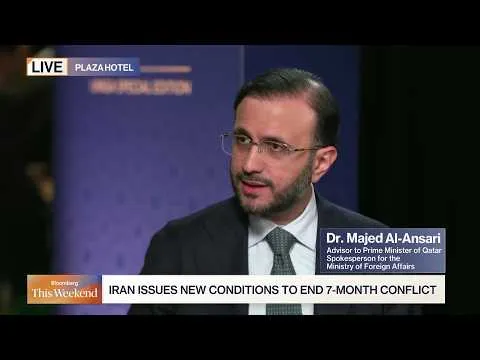
Qatar plays a diplomatic role in mediating between the US and Iran, aiming to alleviate tensions and secure safe passage through the Strait of Hormuz.
The Argument
Qatar's mediation in the US-Iran negotiations is strategically aimed at securing regional stability and safeguarding essential waterways, highlighting its pivotal role in maintaining geopolitical balance.
Evidence Base
- Qatar's Foreign Ministry is actively involved in mediating US-Iran negotiations.
- There are ongoing efforts to address the conflict and restore free navigation in the Strait of Hormuz.
- The diplomatic efforts are aimed at preventing restrictions on international waterways.
Context
The US and Iran have been at odds over various geopolitical issues, including nuclear enrichment and regional influence, leading to widespread sanctions and occasional military confrontations. Qatar's involvement arises from its strategic interest in maintaining open shipping routes and peace in its immediate vicinity, vital for its economy and regional influence.
Focal Analysis
Qatar's active mediation in the US-Iran negotiations underscores its strategic objective of promoting regional stability and securing maritime trade routes. The ongoing conflict between the US and Iran, characterized by sanctions and military posturing, presents a threat to the stability of the Gulf region, particularly concerning the freedom of navigation through the Strait of Hormuz—an essential maritime chokepoint through which approximately 20% of the world's petroleum passes.
Qatar, with its unique geopolitical positioning and diplomatic relationships, seeks to mitigate these tensions. This initiative highlights Qatar’s strategic interests in maintaining open waterways and enhancing its international diplomatic reputation. As noted by Majed Al-Ansari, a spokesperson for Qatar's Foreign Ministry, the risk of restricted maritime activity could establish a worrying precedent that disrupts global trade and adversely affects regional economies.
By facilitating dialogue and acting as a neutral mediator, Qatar positions itself as a crucial player in Middle Eastern diplomacy, potentially balancing the influence of regional rivals and broader international powers. The country’s efforts to shuttle between international stakeholders and exchange proposals may help bridge the diplomatic gap between the US and Iran, allowing for negotiations to resume.
The ultimate success of Qatar's mediation depends on its ability to effectively address mutual grievances. For the US, concerns about Iran's nuclear program and regional proxy activities are paramount, whereas Iran seeks relief from crippling economic sanctions and acknowledgement of its regional influence. Qatar's diplomatic strategy needs to navigate these complex issues delicately.
Qatar's involvement exemplifies how smaller states can leverage diplomatic agility and neutrality to influence larger geopolitical dynamics, despite potential accusations of bias due to its own economic and security interests in the region. Monitoring developments over the coming months will be crucial in assessing whether the Qatari mediation effort can move beyond dialogue to achieve tangible results.
Room for Disagreement
Critics argue that Qatar's mediation may be insufficient to overcome entrenched hostilities and deep-seated mistrust between the US and Iran.
Why It Matters
If successful, Qatari mediation could significantly reduce geopolitical tensions, enhance regional trade, and set a precedent for diplomatic conflict resolution.
What's Next
Watch for any formal agreements between the US and Iran facilitated by Qatar to assess the effectiveness of these diplomatic efforts.