Special Reports
Saudi Arabia Faces a Two-Front Deterrence Test
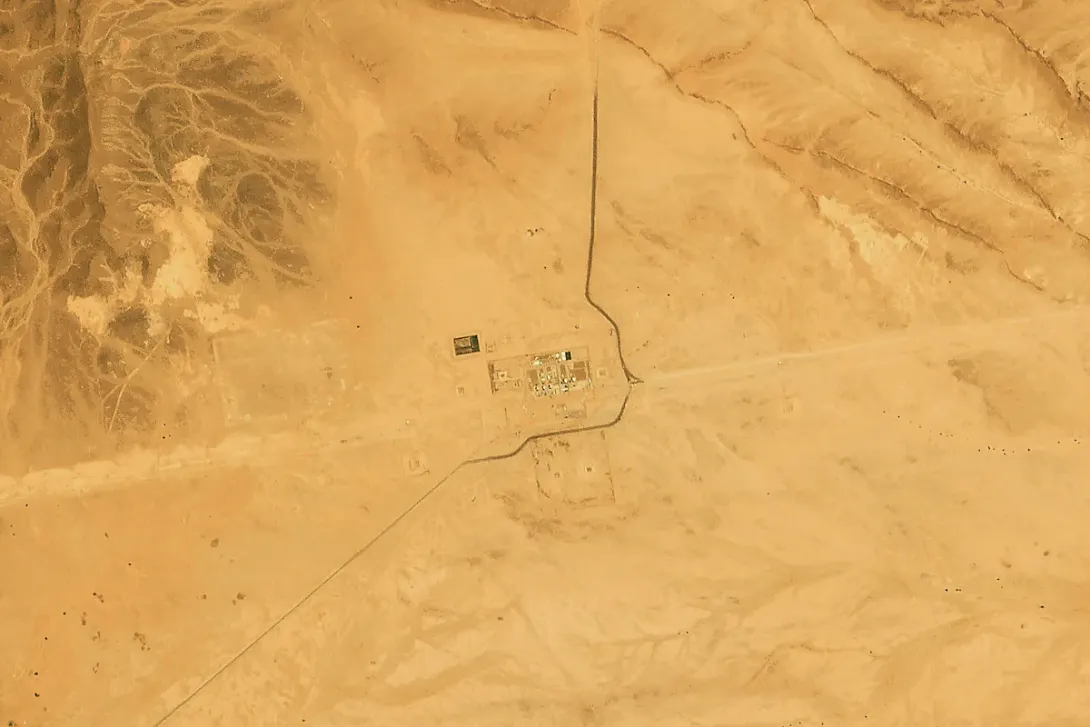
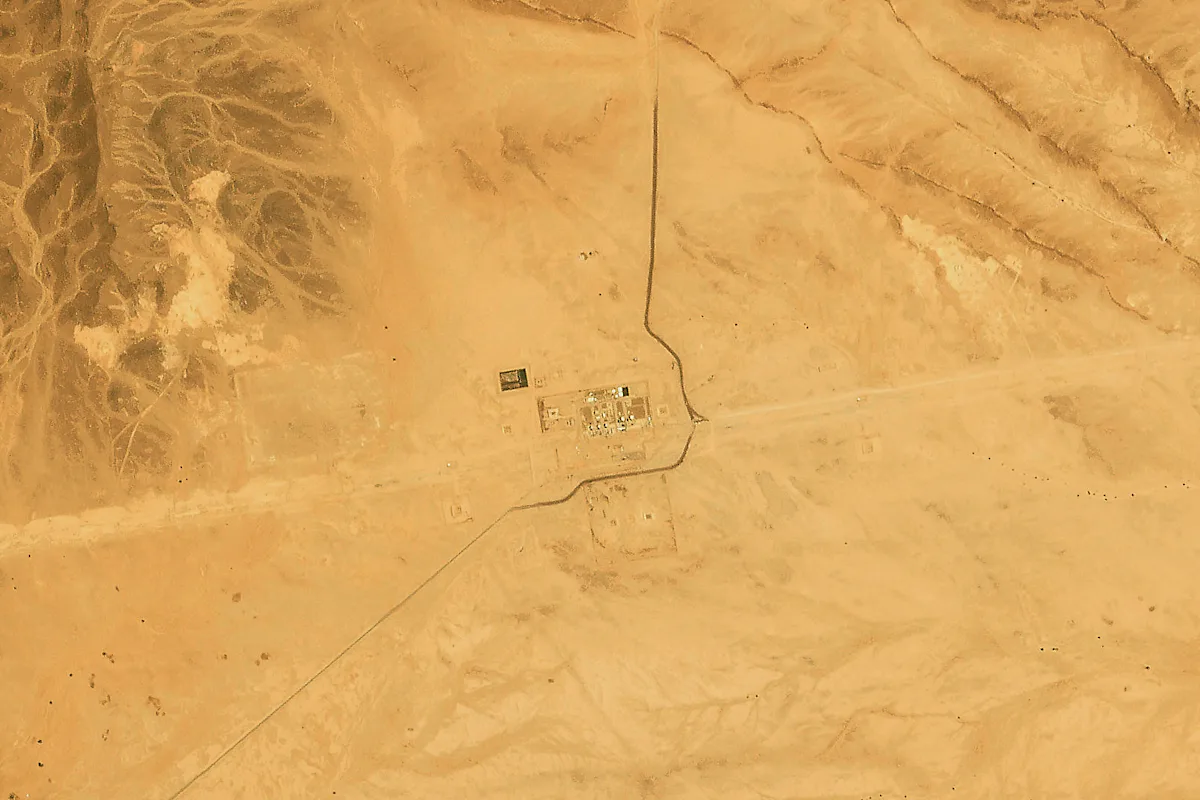
Attacks from Iraq and Houthi gains near Bab al-Mandab expose a gap between allied defensive support and the coercive power Riyadh needs now.
Saudi Arabia is not literally alone. Its problem is that allied intelligence, defensive support and future weapons do not yet amount to a strategy for reversing Houthi gains and deterring attacks launched from Iraq.
The immediate Saudi challenge is not abandonment by the United States but a widening mismatch between defensive assistance and the coercive capacity required to deter coordinated pressure on two geographically separate fronts.
- Saudi Arabia announced on September 11 that drones launched from Iraq had struck its East-West Pipeline. Iraq later confirmed the launch origin, but responsibility for directing the attack remains less firmly established. (apnews.com)
- The pipeline began restarting at reduced rates on September 22, easing the immediate supply threat without removing the infrastructure’s vulnerability. (investing.com)
- Houthi territorial gains around Mokha and Bab al-Mandab have created a simultaneous military and maritime challenge on Saudi Arabia’s southern flank. (apnews.com)
- Washington has withheld direct strikes in Yemen while maintaining intelligence support and longer-term arms cooperation. Britain has offered limited defensive assistance. (abcnews.com)
- The resulting problem is a deterrence gap: Saudi partners will help defend assets, but no broad coalition has formed to reverse Houthi gains or impose immediate costs across both fronts.
7.0mn b/d Maximum East-West Pipeline capacity
Aramco’s stated maximum capacity in the first quarter of 2026; post-attack flows restarted at a lower, undisclosed rate. (aramco.com)
4.2mn b/d Oil flow through Bab al-Mandab
EIA estimate for the first half of 2025, covering crude, condensate and petroleum products. (eia.gov)
48 F-35 aircraft in the proposed US sale
The State Department approved a possible sale; it is not a completed procurement. (investing.com)
$24.3bn Estimated value of the F-35 package
Includes aircraft, engines, communications equipment, spares, training and support. (investing.com)
Nearly 130,000 People displaced inside Yemen
United Nations estimate reported on September 21 after the renewed Houthi offensive. (marketscreener.com)
The shock
Saudi Arabia said drones launched from Iraq struck the East-West Pipeline during the September 10-11 attack sequence. Baghdad subsequently identified Maysan province as the launch area, opened an investigation and removed the local operations commander. Saudi Arabia initially withheld retaliation, giving the Iraqi government an opportunity to act. (apnews.com)
At the same time, Houthi forces captured Mokha and islands near Bab al-Mandab, including strategically placed Mayun, before pressing towards high ground separating the Red Sea coast from southern Yemen. The United Nations reported nearly 130,000 people internally displaced by September 21. (apnews.com)
The two theatres converge economically. Aramco had raised the 1,200km East-West Pipeline to a maximum seven million barrels a day to bypass disruption at Hormuz. Bab al-Mandab carried about 4.2 million barrels a day in the first half of 2025. Pressure on both the pipeline and its Red Sea outlet therefore targets Saudi export redundancy rather than any single facility. (aramco.com)
The attacks targeted the redundancy on which Saudi energy security depends.
| Million barrels per day | |
|---|---|
| 2020 | 5.7 |
| 2021 | 6 |
| 2022 | 8 |
| 2023 | 9.3 |
| 2024 | 4.1 |
| H1 2025 | 4.2 |
The alliance
The US posture is selective. American officials said Washington was providing substantial intelligence and targeting assistance but did not plan direct attacks on the Houthis. Reports that President Donald Trump halted prepared strikes remain unconfirmed. Houthi assurances that US vessels would be spared give Washington an incentive to compartmentalise the conflict. (abcnews.com)
That restraint contrasts with July 28, when US and Saudi aircraft jointly struck logistics and weapons sites used by Iran-aligned groups in Iraq. The operational message is uneven: attacks involving US forces can produce direct retaliation, while attacks focused on Saudi interests may initially receive intelligence and defensive support. This distinction is an analytical inference, not a declared US doctrine. (centcom.mil)
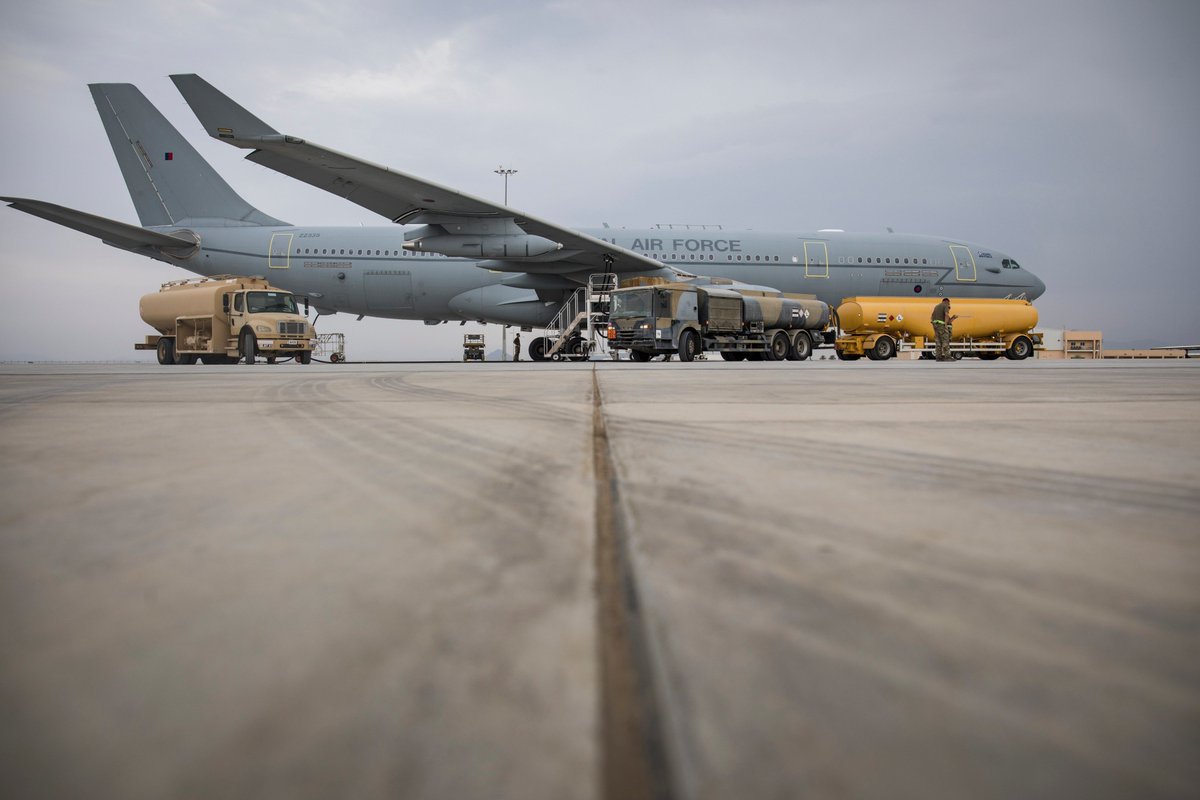
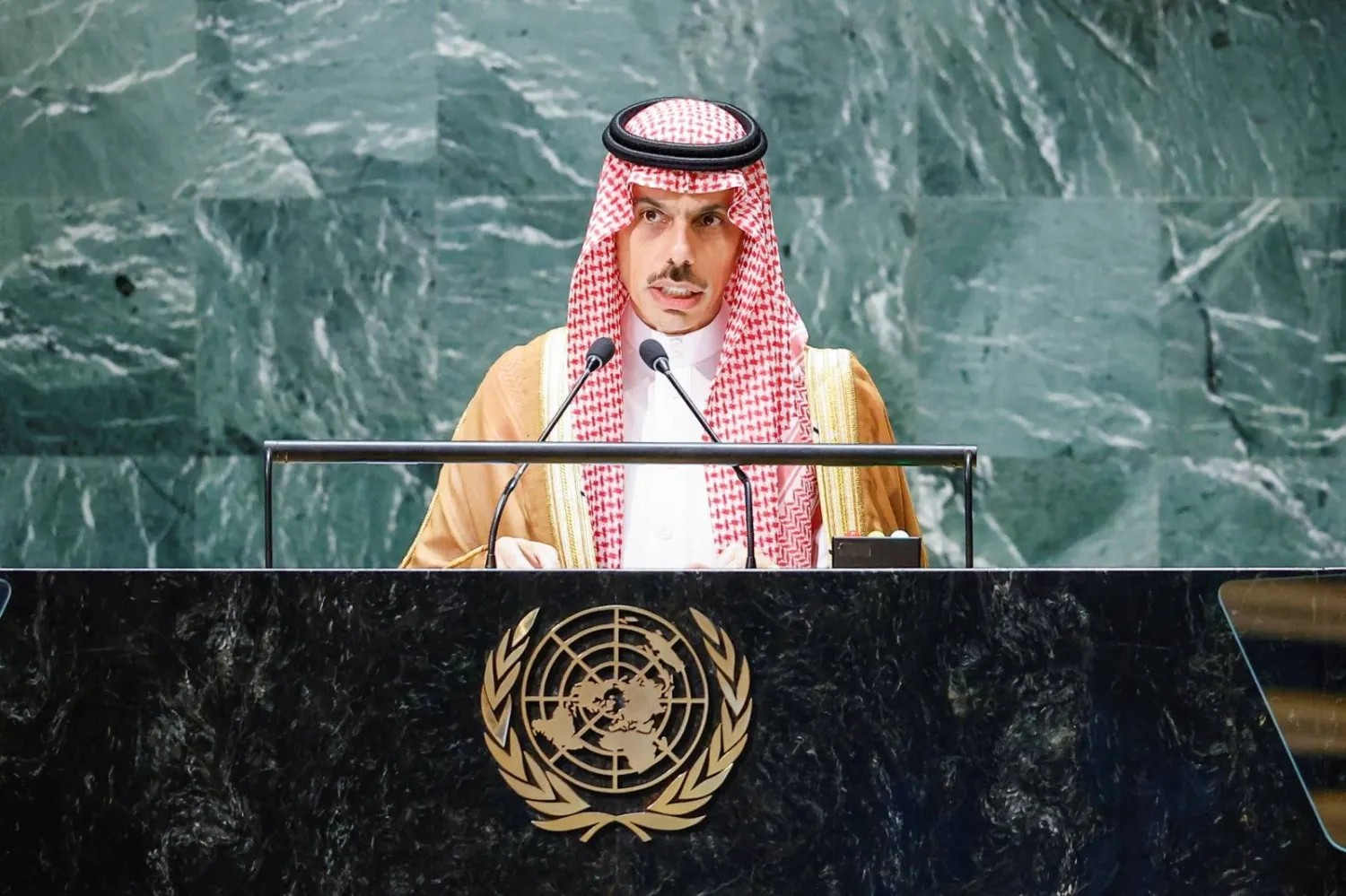
Saudi Arabia is therefore not literally alone. Britain has offered aerial refuelling for defensive missions, G7 ministers have condemned the Houthis, and Egypt, Pakistan and Türkiye have publicly backed Saudi security. Yet these commitments remain defensive or diplomatic. Prince Faisal bin Farhan’s work at the 81st UN General Assembly is aimed at converting political solidarity into usable coordination. (gov.uk)
The alliance is supplying protection more readily than coercive power.
The strategic choice
Riyadh faces three imperfect options: heavier retaliation, predominantly defensive containment or negotiated de-escalation. Air strikes may impose costs but could deepen the Yemen war and expose more Saudi infrastructure. Defence can protect selected sites without reversing Houthi territorial gains. Diplomacy through Oman and the United Nations may contain escalation, but an unverified freeze could consolidate gains achieved by force.
The proposed $24.3 billion sale of 48 F-35 aircraft would improve Saudi air power over time, subject to congressional review and a final agreement. It does not answer immediate requirements for interceptors, surveillance, hardened and dispersed infrastructure, Iraqi enforcement against launch sites, and redundant export planning. Deliveries, if completed, would take years. (investing.com)
The historical warning is 2019. Attacks on Abqaiq and Khurais initially removed about 5.7 million barrels a day, yet Aramco restored pre-attack production within two weeks. That demonstrated operational resilience, not durable deterrence. The latest pipeline restart repeats the pattern: rapid recovery limits economic damage, while recurring attacks show that repair alone does not change an adversary’s incentives. The Red Sea Film Festival’s move from December 2026 to late 2027 should not be presented as evidence of conflict damage; organisers cited logistics and timing. (aramco.com)
Operational resilience can absorb an attack; deterrence must change the next decision to attack.
Saudi Arabia is not without external support. The United States is providing intelligence and targeting assistance, joined Saudi forces in strikes against Iraqi militias in July and approved a potential F-35 sale. Britain has added defensive military support, while the G7 has condemned Houthi attacks. Direct US strikes could widen the war, endanger American forces and provoke broader disruption at Bab al-Mandab. (abcnews.com)
Nor is the evidence sufficient to treat every Iraqi and Yemeni operation as a centrally directed Iranian campaign. Iraq confirmed that the pipeline attack originated in Maysan province, and regional officials have alleged Houthi-militia coordination, but the public record does not establish the full chain of command. Yemen’s internal conflict and grievances against Saudi policy retain independent explanatory weight. (apnews.com)
The most defensible conclusion is that Saudi Arabia faces a deterrence gap rather than strategic abandonment. Its partners are prepared to defend infrastructure, share intelligence and supply future capabilities, but remain reluctant to join a campaign that could reverse Houthi advances or punish all launch networks. That asymmetry leaves room for calibrated attacks below allies’ intervention thresholds.
Riyadh’s near-term priority should be a layered approach: strengthen air and infrastructure defence, demand verifiable Iraqi action against launch sites, preserve export redundancy and define limited retaliatory thresholds. If attacks continue after defensive support expands, pressure for more direct coalition action will rise. If the pipeline returns to full capacity and the Houthi advance stalls, the acute crisis may recede without resolving the underlying deterrence problem.
Confidence: Medium confidence. Infrastructure events and public support decisions are well corroborated; command relationships, battlefield positions and private US-Saudi deliberations remain less certain.
- This report triangulates official Saudi, Iraqi, US, British and United Nations material with reporting by international news agencies and public energy data. Information was assessed through September 23, 2026.
- Verified events are separated from official attribution, anonymous-the evidenceing and analytical inference. Battlefield control, militia command relationships and private US-Saudi exchanges remain difficult to confirm independently.
- Energy-route comparisons use the latest comparable public data available. Bab al-Mandab figures cover the first half of 2025; the East-West Pipeline capacity is Aramco’s stated 2026 maximum, not confirmed post-attack throughput.
- Associated Press · Saudi Arabia shuts down a pipeline as Houthis seize an island · 2026-09-11
- Reuters via MarketScreener · Houthis push for control of Yemen highlands as US strikes are reported cancelled · 2026-09-21
- Reuters via Investing.com · Saudi Arabia restarts East-West oil pipeline · 2026-09-22
- Saudi Aramco · First quarter 2026 interim report · 2026-05
- US Energy Information Administration · World Oil Transit Chokepoints · 2026-03-03
- US Central Command · US and Saudi forces strike Iran-backed sites in Iraq · 2026-07-28
- United Kingdom Government · UK military support to the Kingdom of Saudi Arabia · 2026-09-22
- Reuters via Investing.com · US clears way for $24.3 billion F-35 sale to Saudi Arabia · 2026-09-17
- United Nations · General Assembly High-level Week 2026 · 2026-09-18
- The National · Red Sea Film Festival cancels 2026 event · 2026-09-21
- Saudi Aramco · Aramco rapidly restores production capacity after Abqaiq and Khurais attacks · 2019-09-17