Special Reports
Yemen Child Labour Claims Hinge on an Unverified Offensive
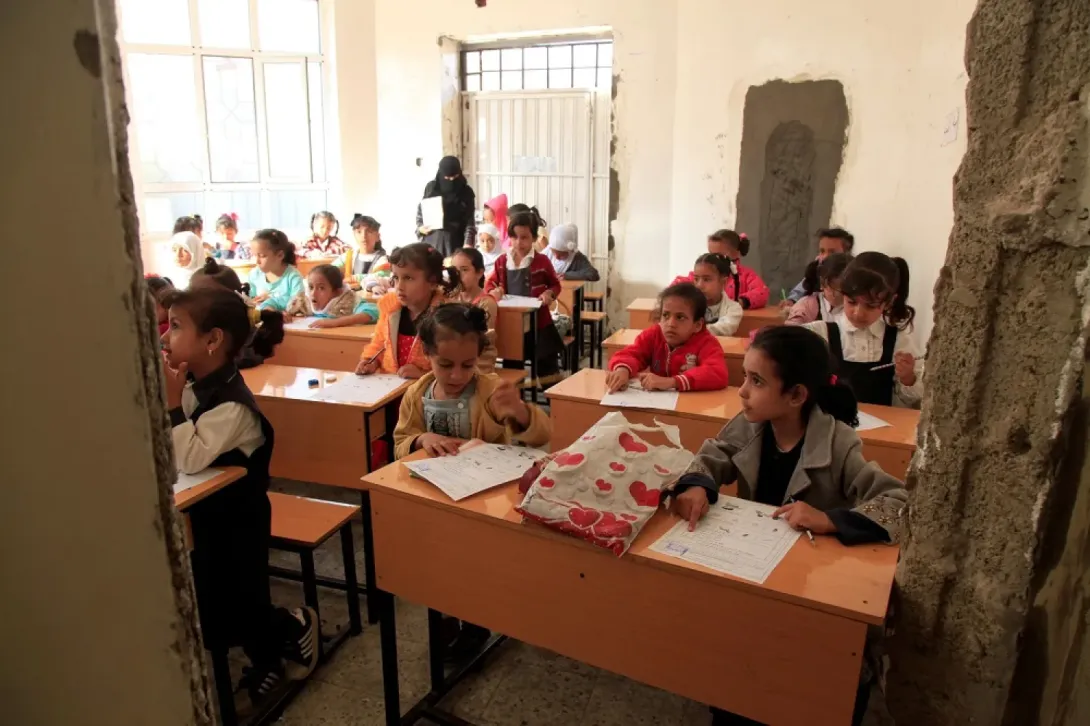
The reported journey of one family from al-Waziyah to a camp in al-Shamayatayn raises urgent questions, but strategic claims about Mocha, Saudi airstrikes and mass displacement do not yet meet the threshold for publication as fact.
A dramatic account links a new offensive around Taiz to displacement, school closures and child work. Its human consequences are plausible, but its central events and numbers remain uncorroborated.
The alleged fighting offers a credible mechanism for pushing displaced children from education into work, but the offensive, territorial changes, casualty pathway and scale of displacement remain unverified.
- A reported narrative links renewed fighting in south-western Yemen to the displacement of a farming family, the closure of a school and the movement of children from classrooms into informal work. Those personal and local claims have not been independently corroborated.
- The most consequential assertions—including a Houthi capture of Mocha, a renewed Saudi air campaign, the severing of the Mocha–Taiz road and more than 130,000 recent displacements—remain unverified. Each would require multiple independent sources before publication as fact.
- The assigned publication date, 28 September 2026, had not occurred at the time of assessment, and no traceable public URL accompanies the newspaper attribution. That discrepancy requires publication to be suspended rather than the narrative treated as authenticated reporting.
- One part of the context is established: the UN-mediated truce formally ran from April to October 2022, after which front lines remained relatively quiet without a continuing formal nationwide ceasefire. Yemen’s pre-existing education and poverty crises nevertheless prevent one family’s experience from proving a nationwide rise in child labour.
- 13 Muneer’s reported age
- The child’s age, identity and informed consent have not been independently confirmed.
- 130,000+ Claimed recent displacements
- No verified source, reporting period, geographic definition or separation from cumulative displacement is available.
- 3.2 million Claimed education interruptions before the escalation
- The category is not defined and must not be equated automatically with permanent dropout or child labour.
- 600+ Pupils reportedly affected by one school closure
- The closure, enrolment and alleged missile incident require confirmation from school and education records.
- 2 Apr–2 Oct 2022 Formal UN-mediated truce period
- Relative calm continued after the truce expired, but not under an uninterrupted formal nationwide ceasefire.
Central Finding
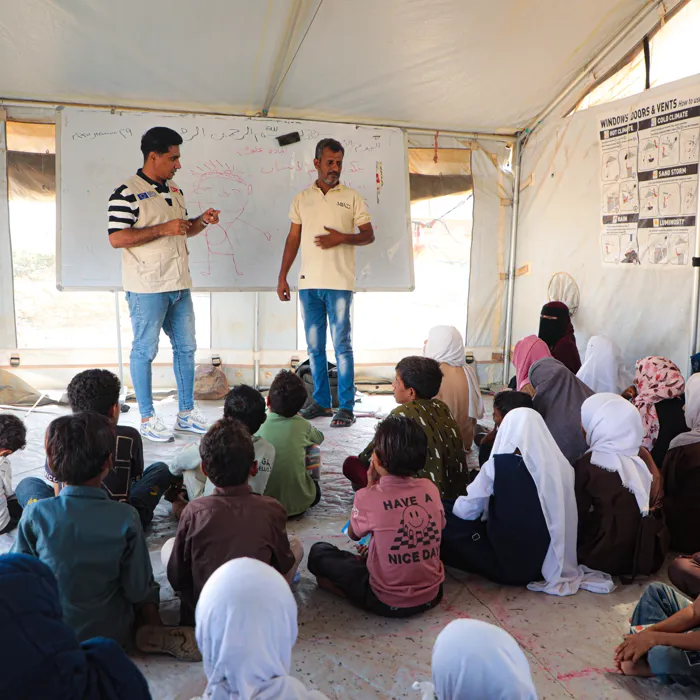
At the centre of the claims is a 13-year-old identified as Muneer. His reported routine—school in the morning and livestock care in the afternoon—was said to have ended when fighting approached al-Waziyah district in Taiz. His family allegedly moved south-west to al-Shamayatayn, where he and a brother began selling inexpensive goods outside a displacement camp.
If corroborated, the case would illustrate a familiar but consequential chain: insecurity removes a household from its land and income, camp life increases immediate cash needs, and children’s education becomes expendable. The reported family of eight would therefore be evidence of more than physical displacement; it would show how combat can shift labour and survival responsibilities onto children.
That conclusion remains conditional. Neither the family’s identity and route nor the fighting said to have prompted its departure has been independently established. The defensible finding is narrower: the described mechanism is credible in Yemen’s conditions, but this case cannot yet prove that a new campaign around Taiz has restarted open-war patterns or expanded child labour nationally.
The reported mechanism is credible; the specific September 2026 case is not yet proven.
Scope & Evidence Standard
The inquiry concerns alleged events in south-western Yemen during September 2026, principally in al-Waziyah, al-Shamayatayn, Taiz city and the Mocha corridor. The central test is whether a new military campaign caused fresh displacement, school closures, road disruption, price increases and children’s entry into work.
Confirmation would require convergence among dated UN or humanitarian records, displacement registrations, independently geolocated imagery, school and education-office documentation, market monitoring and interviews conducted separately from the original witnesses. Military control and strike attribution would require an even higher threshold, including imagery, operational statements and technical evidence.
A witness can establish what that person experienced if identity, location and chronology are checked. A witness cannot alone establish who fired a missile, which force controls a city or how many people were displaced across a region. Here, the claimed date of publication was still in the future at assessment, while no traceable public link or independent corroboration was available. The material should therefore be held.
Testimony may establish an experience; it does not by itself establish a front line.
Original Reporting & Human Stakes
The family is described as eight people sharing a small, humid tent: Muneer, five siblings and their parents. Two boys reportedly work in nearby markets because the household arrived without money or essential supplies. No independently verified interview, income record or camp registration establishes those details, and the child’s full identity should not be published without informed parental consent and a safety assessment.
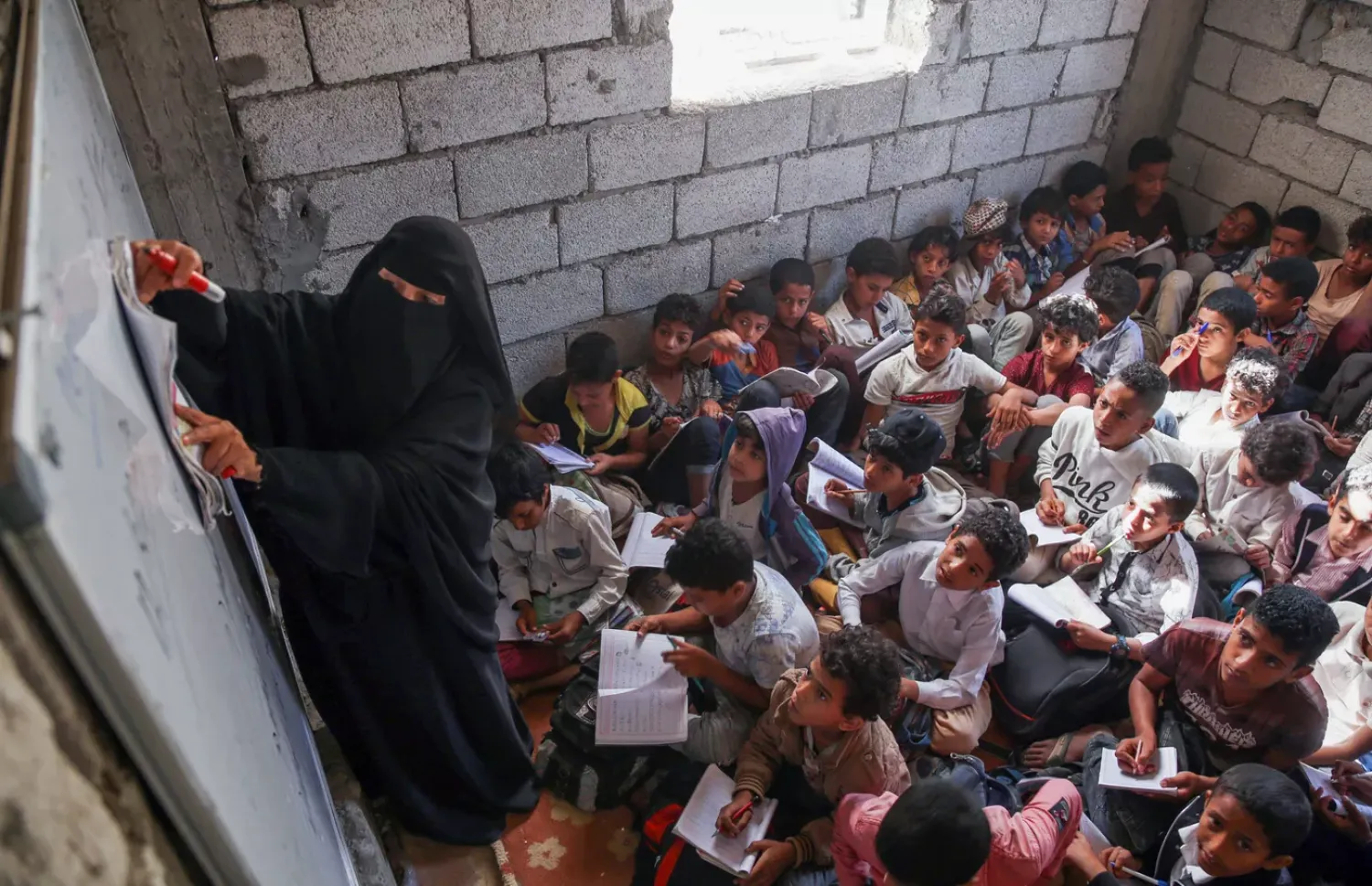
A second account concerns Musaab Ibn Umayr school in Taiz. Its principal, identified as Abdulwasea Abdu, allegedly kept classes running until a missile exploded nearby, frightening pupils and prompting closure. More than 600 children were said to be affected. Verification would require enrolment and closure records, an independent witness, a securely dated image or location record, and technical evidence concerning the projectile.
Residents’ reported experiences add a wider pattern but not quantitative proof. A carpenter in Taiz described scarcer goods and cheaper diets, while a worker travelling to Saudi Arabia reportedly faced a longer route through Aden. These accounts could identify questions for follow-up, but market prices, journey times and road access must be measured against fuel costs, exchange rates and seasonal changes.
The children’s identities, consent and safety must be verified before their stories or images are published.
Evidence & Key Findings
The claim of more than 130,000 newly displaced people is the most urgent numerical test. It lacks a stated registration period, geographic boundary and source methodology. It must be matched against the International Organization for Migration’s displacement tracking, UN humanitarian reporting and local registrations, with new movements separated from repeated or cumulative displacement.
The figure of 3.2 million children is also definitionally uncertain. Interrupted education, being out of school and permanent dropout are not interchangeable categories. The number is described as predating the alleged escalation, so even if authentic it would establish the scale of Yemen’s existing education crisis—not the additional effect of fighting in September 2026.
The claimed closure affecting more than 600 pupils is local and potentially verifiable through school records. The alleged severing of the Mocha–Taiz road requires dated traffic or access evidence and identification of the controlling checkpoints. Price effects require a comparable basket of goods before and after disruption. Without those definitions, the numbers cannot be combined into a reliable estimate of civilian harm.
A large number without a period, geography and definition is not yet a usable finding.
Context & Timeline
The UN-mediated truce took effect on 2 April 2022. It reduced offensive operations and cross-border attacks, enabled fuel imports through Hodeidah and supported limited commercial flights from Sana’a. After two extensions, its formal term expired on 2 October 2022 without a comprehensive political settlement.
The expiry did not produce an immediate return to the war’s earlier intensity. Major front lines remained broadly static and cross-border hostilities stayed lower, although local clashes, economic coercion and restrictions on movement continued. Describing the next four years as a formal ceasefire would therefore be inaccurate; the relative calm was real but largely de facto.
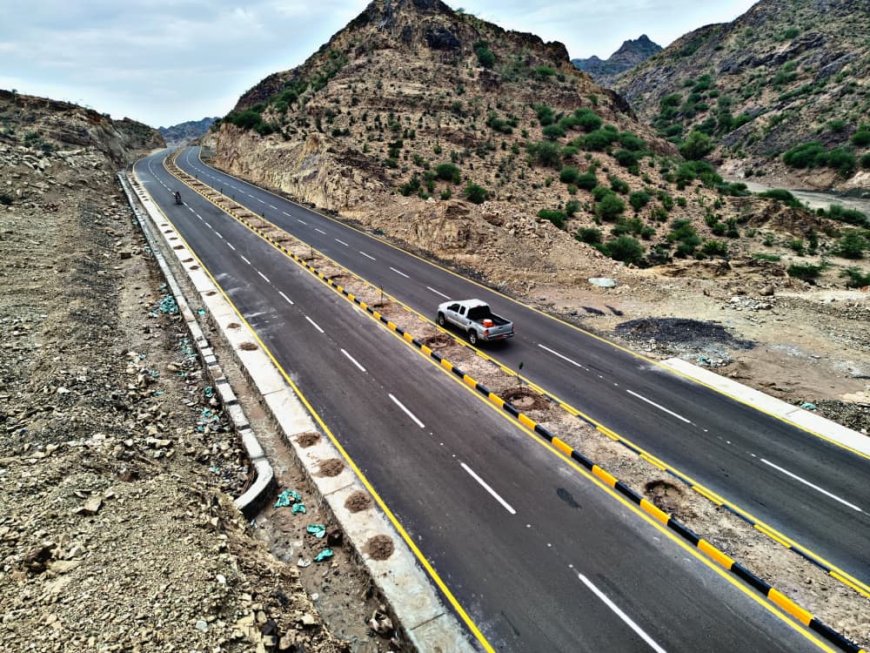
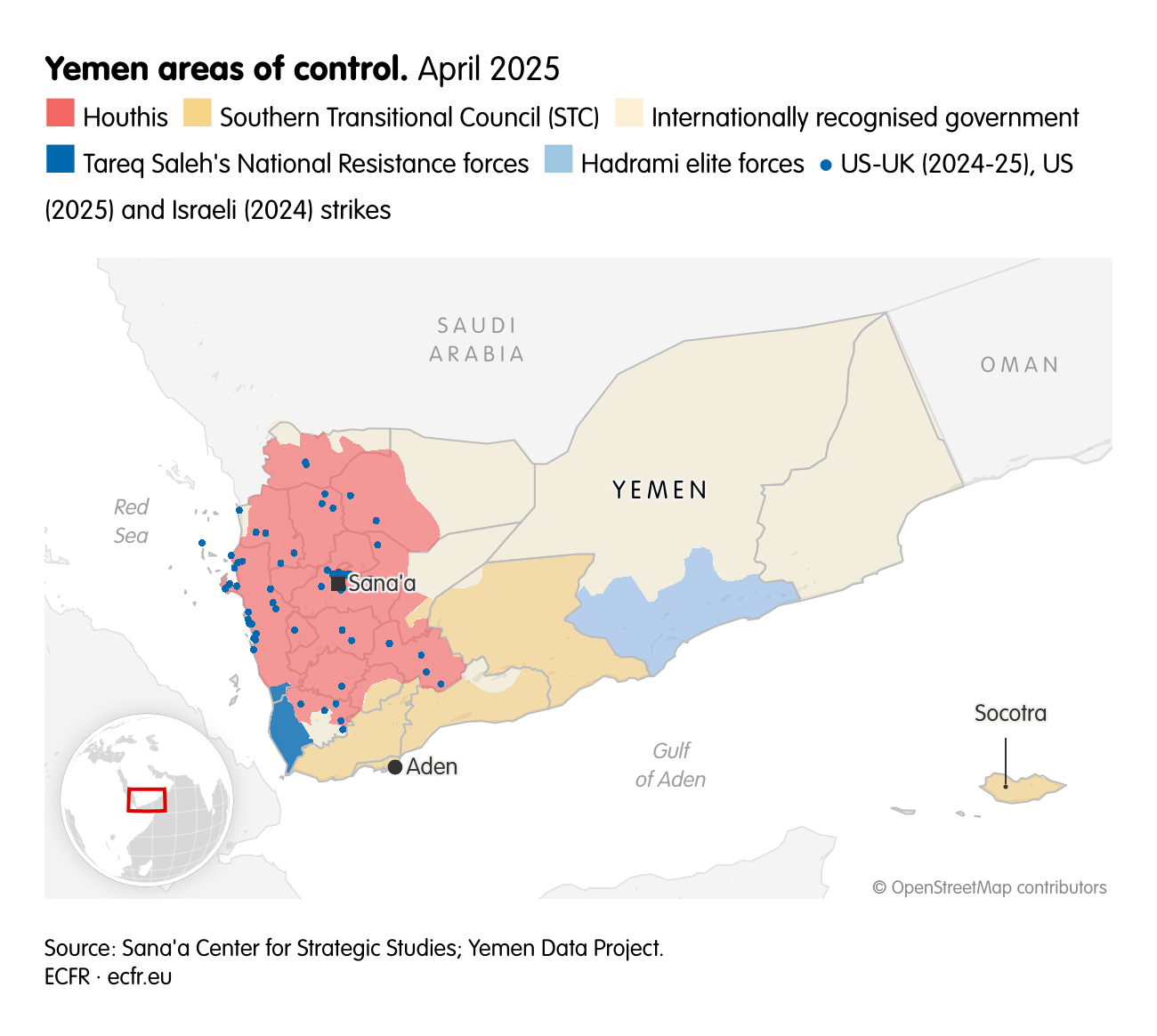
Against that background, a Houthi drive into the south-west and capture of Mocha would constitute a strategic rupture, not a minor adjustment. Mocha is a Red Sea port and a gateway to roads serving Taiz. Such a change should be tested through multiple control maps, geolocated imagery, shipping and transport evidence, and independent reporting before any before-and-after map is published.
Relative calm after October 2022 was not the same as an enduring formal ceasefire.
Mechanism & Accountability
The proposed causal chain begins with ground advances or bombardment near populated areas. Families leave because of direct danger or fear that access routes will close. Displacement then removes income, land, livestock and community support while adding transport, shelter and food costs. Schools close either because buildings are unsafe or pupils and teachers can no longer reach them.
Control of roads creates a second channel of harm. Checkpoints, shelling or physical closure force trucks and buses onto longer routes, increasing fuel use, delays and losses. Traders can pass those costs to consumers. For households already spending most income on essentials, the result may be reduced meals, debt, withdrawal from school or pressure on children to earn cash.
Responsibility must be disaggregated. A party that strikes a school or unlawfully obstructs relief may bear direct responsibility; broader price and labour effects may involve several actors and pre-existing economic weakness. Allegations against Houthi forces, government-aligned units or Saudi aircraft cannot be assigned without strike analysis, munitions evidence and verified command information. All parties remain obliged to protect civilians and schools.
The path from a checkpoint to a child’s workday is indirect, but it can still be traced.
Responses & Right of Reply
Houthi authorities would need to address whether they launched a September campaign, captured Mocha or other Red Sea towns, controlled the relevant road and operated near civilian areas or schools. They would also need to provide their account of any missile incident near Musaab Ibn Umayr school. No attributable response is available.
The internationally recognised Yemeni government and its aligned forces would need to clarify front-line movements, road access, evacuation measures and civilian casualties. Saudi authorities would need to confirm or deny the reported air campaign and identify targeting and civilian-protection procedures. No verified response from either government is available.
Local education and displacement authorities should establish whether the school closed, how many pupils were enrolled and how many families arrived in the named districts. UN and humanitarian agencies should clarify displacement and education figures. Their absence from the record is an unresolved reporting gap; it must not be represented as refusal, denial or tacit confirmation.
No response is available—but absence of comment is not evidence that an allegation is true.
Counterevidence, Unknowns & Limits
Yemeni children were leaving school, working and experiencing displacement long before the alleged September offensive. Years of conflict, unpaid or irregular salaries, currency fragmentation, high food costs and damaged public services had already weakened household resilience. A child working after displacement may therefore reflect both a new shock and an older crisis.
The distinction matters for causation. A pre-existing estimate of disrupted education cannot demonstrate that the latest fighting increased dropout. Nor can one school closure show a regional pattern. Establishing change would require comparable attendance, child-labour and household-income data from before and after September, ideally across both affected and less-affected districts.
There are further limits: the original public article and publication date are not authenticated; the displacement total may mix new and cumulative movements; the school and road claims lack records; and the largest military assertions lack geolocated evidence. The family story could ultimately prove accurate, but it cannot carry the weight of a regional conclusion on its own.
New fighting may multiply an old crisis without being its sole cause.
Consequences & What Comes Next
Four signals would show whether conditions are improving: a sustained reduction in combat around civilian areas; verified reopening of the Mocha–Taiz corridor; regular registration and assistance for newly displaced households; and documented resumption of schooling, including temporary learning spaces where return is unsafe.
Those indicators should be read together. A reopened road may lower transport costs without making villages safe. A quiet front may allow schools to reopen while displaced families still need children’s income. Attendance figures, aid coverage, market prices and new arrivals would reveal whether a pause in violence is becoming civilian recovery.
Muneer’s reported wish to return cannot be placed on a credible timetable until his story and the surrounding events are verified. Even then, the absence of bombardment would be only the first condition for returning to class. Families would also need income, shelter, psychological support and a way to recover months of lost learning.
The end of shelling is a prerequisite for return, not a substitute for recovery.
The account is plausible in broad outline. Taiz has a documented history of fragmented front lines, obstructed roads, civilian displacement and interrupted education. In that setting, renewed combat could quickly force families to move, close schools and reduce access to food and paid work.
Conflict also impedes verification. Registration systems may lag behind displacement, local authorities may issue incomplete figures, and military actors may conceal operations. A delay in public confirmation would not, by itself, prove that the described events did not occur.
But plausibility is not corroboration. Claims that the Houthis captured Mocha, Saudi Arabia resumed an air campaign and more than 130,000 people were newly displaced would leave substantial military, humanitarian and commercial evidence. Until that evidence is obtained, the responsible conclusion is that the account may describe a real risk pattern but does not establish the reported September 2026 events.
The central account should not be published as a verified report of September 2026 events. Its assigned date cannot yet be authenticated, and its largest claims lack the independent military, humanitarian and documentary evidence their significance demands.
The correct next step is corroboration, not narrative polishing: authenticate the original publication, verify the family safely, match displacement figures to dated datasets, establish control of Mocha and the road, and obtain responses from all implicated authorities.
This judgment does not find the account false. It finds that plausibility and detailed testimony are insufficient when the narrative alleges a major territorial offensive, renewed international air operations and mass displacement. Publication should wait until those claims can be proved, narrowed or removed.
Confidence: High confidence in the publication-safety judgment; low confidence in the underlying September 2026 event claims.